
Virtual House Staging Explained
A practical UK guide to virtual house staging — what it is, how it works, costs, AI versus professional staging, labelling, and when estate agents and developers should use it.

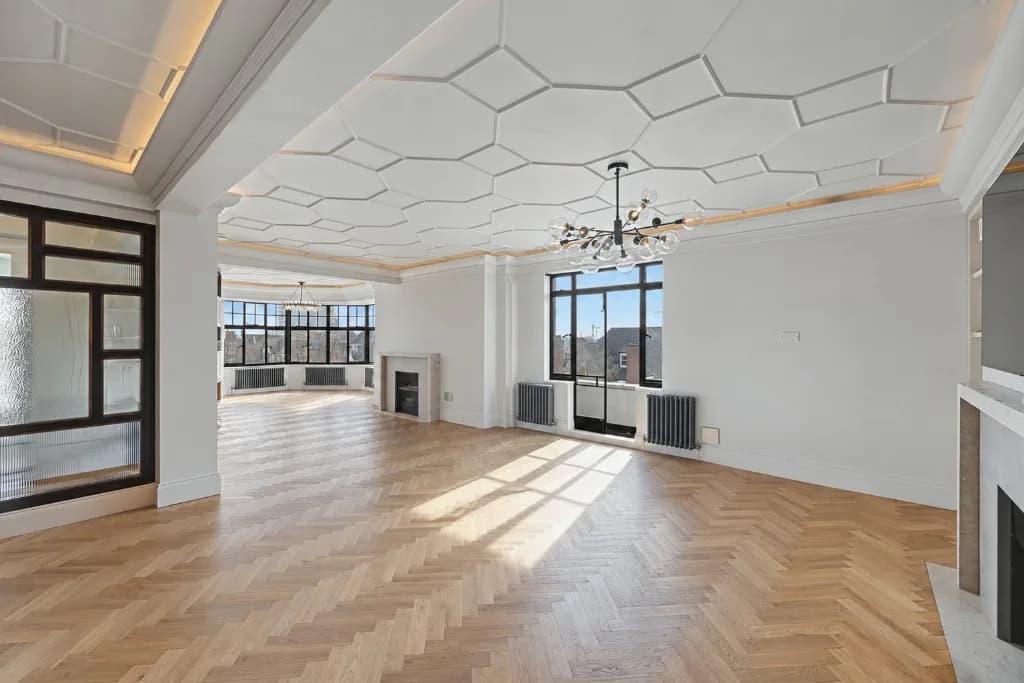
Key Takeaways
- Virtual staging digitally furnishes photographs of empty or sparsely furnished rooms so buyers can judge scale, purpose and lifestyle.
- It is widely used by UK estate agents, developers, vendors and landlords because it is faster and usually far cheaper than physical home staging.
- Realistic results depend on good source photography, correct scale, matched lighting and clear disclosure that the image is digitally staged.
- AI staging suits straightforward rooms and volume; bespoke staging suits unusual architecture, premium listings and tighter art direction.
- Virtual staging improves online presentation — it does not replace the experience of walking through a physically staged home.
Empty rooms are hard to sell online. Without furniture, buyers struggle to judge scale, understand how a space could be used, or feel any emotional connection to the property. Virtual house staging solves that in the photograph — digitally furnishing the room so the listing communicates lifestyle as well as floor area.
Photoplan has provided property photography and related marketing media across the UK since 2004, working with estate agents, developers and property professionals. This guide explains what virtual house staging is, how it works, what it costs, where it helps most, and how to use it honestly. If you already need staging for a live instruction, see our professional virtual staging service page.
What is virtual house staging?
Virtual house staging — often shortened to virtual staging — is the digital furnishing of a real property photograph. Designers — or AI tools directed by a brief — add furniture, décor, artwork and styling to an image of an empty or sparsely furnished room so buyers can visualise how the space could look when lived in.
It is used throughout UK property marketing by estate agents launching vacant instructions, developers presenting completed but unfurnished units, vendors who have already moved out, and landlords remarketing rental stock between tenancies.
Virtual house staging usually changes soft furnishings and movable items only. Permanent architectural features — walls, windows, fireplaces, floors, kitchen carcasses, bathroom suites — should normally remain unchanged unless the image is specifically presented as a visualisation rather than a photograph of the existing property. Virtual home staging improves online presentation; it does not physically furnish the building.
How does virtual staging work?
Virtual staging works by digitally furnishing a photograph of an existing room. A clear process looks like this:
- Photograph the empty room — capture a clean, well-lit image with straight verticals and enough floor visible for furniture placement.
- Assess perspective, scale and lighting — measure the room’s geometry from the photo so sofas, beds and tables sit at believable sizes.
- Choose an interior style — match the property type and likely buyer, for example contemporary family, minimal city apartment or warmer traditional.
- Add appropriately scaled furniture and décor — place key pieces first, then layer rugs, artwork, plants and accessories.
- Match lighting, shadows and perspective — furniture should share the same light direction, colour temperature and vanishing points as the room.
- Quality-check the image — look for blocked doors, crushed circulation, floating legs, harsh edges and scale errors.
- Clearly label the image as virtually staged — disclosure belongs on or beside the image before it goes live.
- Publish alongside the original photography where appropriate — showing both versions builds trust and still lets buyers see the empty shell.
The better the source photograph, the more convincing the staged result. Weak exposure, heavy distortion or cluttered backgrounds are difficult to disguise later. Pairing staging with professional property photography remains the most reliable starting point.
Need virtual staging for a property?
Choose AI staging for speed and volume, or bespoke staging when the listing needs tighter art direction. Explore options and examples on the service page.
Virtual staging before and after
The examples below are real Photoplan projects. Drag each slider to compare the empty room with the staged marketing image.


Why is virtual house staging used in property marketing?
Virtual house staging is used because empty rooms under-communicate online. Buyers shortlist from photographs long before they book a viewing, so the gallery has to explain the home quickly.
Used well, property virtual staging can help buyers understand room scale, demonstrate purpose, create emotional appeal, improve vacant-listing presentation, make new-build and recently renovated homes easier to visualise, make portal thumbnails more engaging, and allow different interior styles without moving physical furniture.
Be cautious with bold performance claims. Faster sales or higher offers depend on price, location, condition and competition. Staging improves presentation; it is not a guarantee of outcome.
What properties benefit most from virtual staging?
Virtual staging adds the most value where the photographs currently fail to explain the space. It is less necessary where the property is already beautifully furnished and photographed.
Empty properties
Vacant homes are the classic use case. Without furniture, large rooms can look smaller than they are, and smaller rooms can look purposeless. Digital furnishing restores context.
New-build homes
Show homes are not always available for every plot. Virtually staged photography helps buyers picture living in completed but unfurnished units while still showing the real specification.
Recently renovated properties
Freshly refurbished homes can look clinical when empty. Staging softens the space and shows how new finishes work with furniture, without delaying launch for a physical furniture delivery.
Investment and rental properties
Landlords and investors often market between tenancies. Virtual staging can refresh vacant photography for portals and social media while the property remains empty for viewings and works.
Luxury and high-value properties
Premium vacant listings still benefit, but the quality bar is higher. Buyers notice scale errors and generic furniture quickly, so bespoke staging is usually the better fit.
Commercial property
Offices, studios and some retail or leisure spaces can be staged to show layout options or customer-facing zones. Keep the brief realistic for the floorplate and target occupier.
Awkward or multifunctional rooms
Box rooms, landings, basements and open-plan zones often need a clear story — home office, nursery, dining zone or snug — provided the suggested use remains plausible.
Staging may not be necessary where furniture already presents the home well, or where adding pieces would make a very small room feel cramped.
Which rooms work best for virtual staging?
Some rooms repay staging more than others because buyers rely on them to understand lifestyle and layout.
- Living rooms — usually the emotional centre of the listing and often the hero thumbnail.
- Bedrooms — beds establish scale immediately; empty bedrooms are easy to misread.
- Dining rooms — a table clarifies purpose in rooms that otherwise look like leftover space.
- Home offices — useful for box rooms and flexible spaces aimed at professional buyers.
- Open-plan spaces — furniture zoning shows how cooking, dining and sitting areas can coexist.
- Kitchens — often need lighter styling rather than dense furniture; bar stools, table settings and subtle décor usually work better than overcrowding.
- Commercial offices — desks and collaboration zones help occupiers read capacity and flow.
Bathrooms and utility spaces are less common staging priorities unless the brief specifically needs lifestyle context.
How much does virtual staging cost in the UK?
Virtual staging cost in the UK depends on the service level and the complexity of the brief. There is no single fixed market price, and you should treat published ranges as guidance rather than a quote.
Typical pricing factors include:
- number of images
- AI staging versus bespoke human-directed staging
- room complexity and unusual architecture
- whether existing furniture needs removing first
- revision rounds
- turnaround speed
In broad UK-market terms, simple AI staging is usually the lowest cost per image, while premium bespoke staging costs more because a designer controls placement, styling and finishing. Physical home staging remains in a different cost category altogether once consultation, hire, delivery and removal are included.
For a detailed cost comparison with traditional staging, see virtual staging vs traditional staging cost. For Photoplan’s current service options, visit the Photoplan virtual staging service.
Virtual staging vs physical home staging
Neither approach is automatically better. They solve related problems in different ways.
| Factor | Virtual staging | Physical home staging |
|---|---|---|
| Cost | Usually a fixed per-image fee | Consultation, hire, install and ongoing rental |
| Speed | Minutes for AI; often 1–2 working days for bespoke | Commonly measured in days or weeks to arrange |
| Furniture logistics | None | Delivery, installation, maintenance and removal |
| Flexibility | Styles can be changed in the image set | Changes mean moving real furniture |
| Photography | Staging happens after the shoot | Rooms are furnished before or during the shoot |
| Buyer experience | Stronger online presentation | Buyers experience furnished rooms in person |
| Suitable property types | Excellent for vacant online marketing | Strong for premium viewings and awkward spaces |
| Ability to change styles | High — multiple looks from one shoot | Limited once furniture is on site |
| Environmental / logistical impact | No transport or storage of furniture | Vehicles, packing, storage and repeat visits |
Virtual staging primarily improves photography and online marketing. Physical staging allows visitors to walk through a furnished property. Many teams use virtual staging for the listing and keep viewings simple — or reserve physical dressing for a small number of premium instructions.
For a deeper comparison, see virtual staging vs home staging.
AI virtual staging vs professional virtual staging
AI virtual staging uses generative AI to add furniture and décor automatically. Professional or bespoke virtual staging is directed by a human designer who chooses pieces, controls placement and finishes the image with tighter art direction.
AI virtual staging is typically:
- fast
- low cost
- useful at scale
- suitable for straightforward rooms and secondary marketing assets
Bespoke / human-directed virtual staging usually offers:
- greater control over style and composition
- better handling of unusual architecture
- more reliable furniture placement on complex rooms
- stronger art direction for premium listings
Photoplan offers both routes: managed staging for listings that need a designed finish, and AI options when speed and volume matter more. The right choice depends on the property, the portal role of the image, and how forgiving the room geometry is.
If you are comparing providers, our guide to the best virtual staging companies covers quality, turnaround and fit for UK agents. Service details and examples are on the virtual staging page.
What makes virtual staging look realistic?
Realistic virtual staging is mostly a craft problem, not a software logo problem. The telltales of poor work are usually the same.
Strong results depend on:
- correct furniture scale
- matching perspective and vanishing points
- believable contact shadows
- accurate lighting direction
- consistent colour temperature
- restrained, plausible reflections
- natural furniture placement and circulation
- keeping doors, windows and walkways clear
- respecting architectural features
- matching the target buyer and property type
- enough image resolution for clean edges and textures
- realistic material textures on fabrics, wood and metals
Common virtual staging mistakes
Most weak staging fails for predictable reasons:
- furniture too large or too small for the room
- lighting that fights the photograph’s actual window direction
- excessive luxury furniture in an ordinary property
- changing structural features as if they were props
- blocking doors, stairs or natural circulation
- inconsistent styles across the same listing
- poor source photography asked to carry too much
- unrealistic reflections or floating furniture legs
- forgetting to disclose that the image is digitally staged
If a staged image makes the property look materially different from what a viewer will find on site, it is doing the wrong job.
Is virtual staging legal in the UK?
Estate agents should ensure that digitally altered property imagery does not create a misleading impression of the property. Virtual staging is widely used in UK marketing, but transparency matters: buyers should understand that furniture and décor have been added digitally, and permanent features should not be quietly reinvented in the photograph.
This is general property-marketing guidance, not legal advice. Requirements can depend on the context of the advertisement and current professional or portal standards, so agencies should follow their compliance processes and check the rules that apply to their listings.
Should virtually staged images be labelled?
Yes — labelling virtually staged images is sensible best practice.
Clear labels help set expectations before a viewing and reduce the risk that a buyer feels surprised by an empty room. Useful wording includes:
- “Virtually staged”
- “Computer-generated furnishings”
- “Digital furniture added”
Where practical, publish the original photograph as well. Side-by-side presentation is especially helpful on agency websites, brochures and social posts.
Can virtual staging be used on Rightmove and Zoopla?
Estate agents commonly use digitally enhanced imagery on major UK property portals, but the presentation must be transparent and should not misrepresent material features of the property.
Photoplan does not speak on behalf of Rightmove or Zoopla. Portal rules and caption requirements can change, so agents should check the current guidance for each platform before uploading a virtually staged set. When in doubt, label clearly and keep an unstaged original available in the gallery.
Is virtual staging worth it?
Virtual staging is worth it when the online images are under-selling a space that is otherwise ready to market.
It is often ideal when:
- the property is vacant
- rooms are difficult to understand from empty photos
- a developer has empty completed units
- the current photographs feel cold or incomplete
- furniture hire would be expensive or slow
- the listing needs more than one lifestyle option
It is less useful when:
- the property is already beautifully furnished
- the room is extremely small and furniture would make it feel cramped
- staging would distract from or misrepresent physical condition
The commercial question is simple: will better online comprehension create better enquiry quality for this instruction? If yes, staging is usually easy to justify.
Virtual staging for estate agents
For estate agents, virtual staging is a practical listing tool rather than a novelty effect. It helps with vacant portal search images, landlord void periods, new instructions that need to launch before furniture can be arranged, developer stock, relaunching stale galleries, offering vendors an alternative to furniture hire, and keeping presentation standards consistent across a branch or network.
Agents who already book photography through one production workflow can add staging without inventing a separate supplier chain. For wider branch media standards, see our page for estate agents.
Virtual staging for property developers
Developers use virtual staging when the building exists and can be photographed, but units are not furnished as show apartments — for example completed unfurnished plots, extra style options for different buyer personas, or large releases where dressing every unit is impractical.
Do not confuse virtual staging with off-plan visualisation. Virtual staging starts from a photograph of a real room; off-plan CGI can show a home that does not yet exist. Developers often need both at different stages of the sales cycle. More on Photoplan’s developer workflows is on our property developers page.
Virtual staging vs CGI
Virtual staging and CGI are not the same thing.
Virtual staging starts with a real photograph of an existing room and adds digital furniture and décor.
Architectural CGI can create an image of a room or building that does not yet exist, based on drawings, models and a visualisation brief.
Use virtual staging when the property is built and photographable. Use CGI when you need to sell from plans, show alternative specifications, or visualise a scheme before construction. Photoplan’s 3D architectural visualisation service covers the CGI route; staging belongs with the photography set once the space is real.
Related finishing work — exposure, colour and decluttering — sits under photo editing and is often completed before staging so furniture is placed into a clean, consistent plate.
Ready to stage your next vacant listing?
See AI and bespoke virtual staging options, real before-and-after examples, and how Photoplan fits into a full property marketing workflow.
- #virtual house staging
- #virtual staging
- #what is virtual staging
- #virtual staging UK
- #AI virtual staging
- #estate agents
- #property marketing
- #empty properties
Frequently Asked Questions

Photoplan Editorial
Property Marketing Editorial
Researched, practical guides on property photography, floor plans, virtual tours and marketing property across the UK.
Need virtual staging for your next listing?
Photoplan offers AI and bespoke virtual staging for estate agents, developers and property professionals across the UK — built on more than two decades of property photography experience.
Estate agents book through the app · One-off customers order in the shop · or contact us
Related Articles
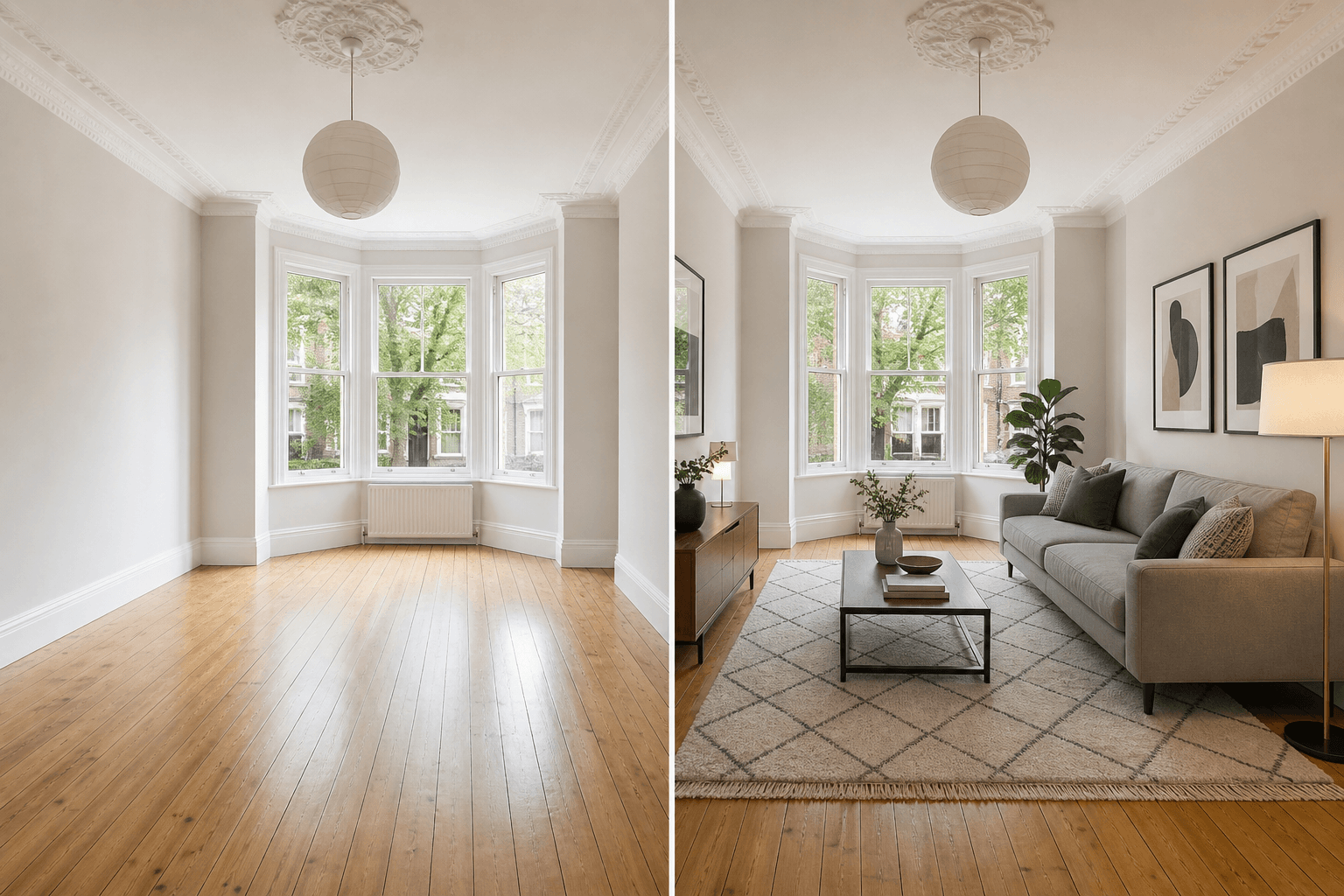
Virtual Staging vs Traditional Home Staging: The Real Cost Comparison for UK Agents
Physical staging can run to thousands of pounds per month. Virtual staging costs a fraction per image. Here's an honest cost comparison — and the situations where each approach genuinely earns its money.
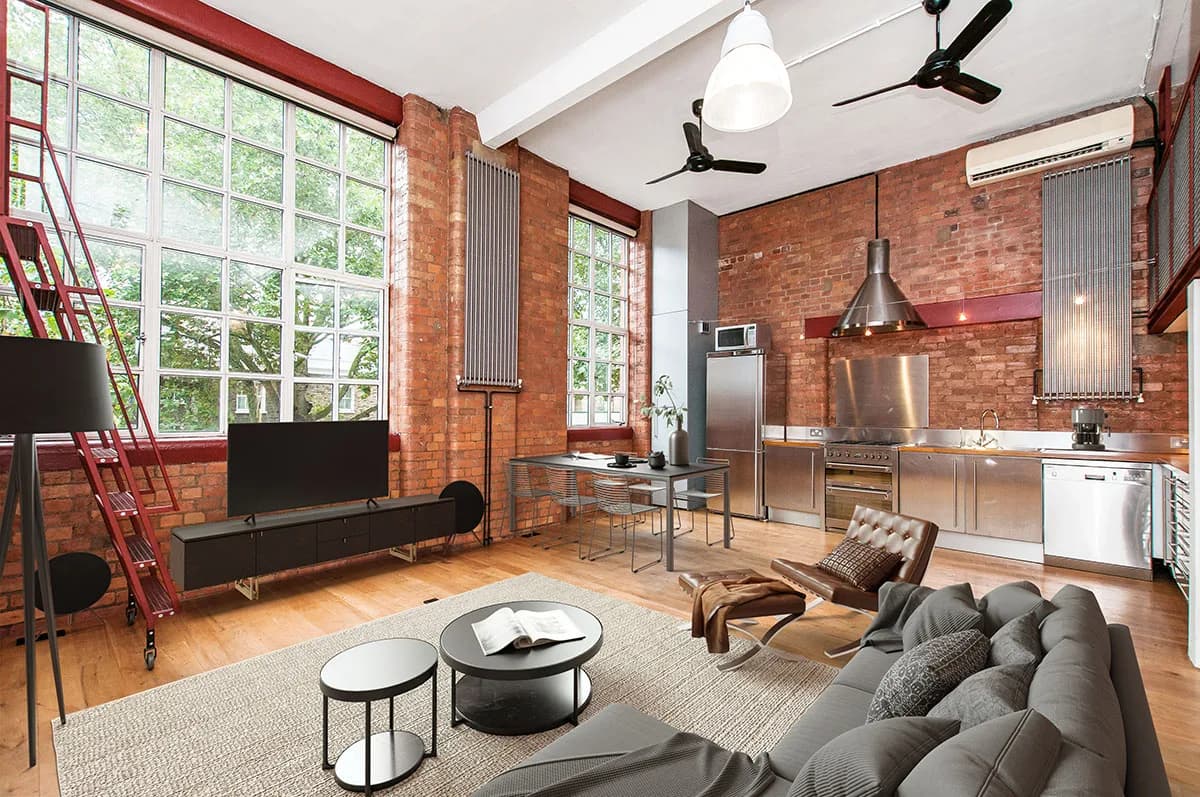
Does Virtual Staging Sell Homes Faster? What the Evidence Says
Empty properties take longer to sell — that's measurable. Whether virtual staging closes the gap, what the data shows, and where it makes the biggest difference.
Virtual Staging vs Home Staging: Which Should You Use?
Virtual staging costs a fraction of physical home staging — but is it as effective? A practical comparison of cost, speed, results and when each approach wins.