
Virtual Staging vs Home Staging: Which Should You Use?
Virtual staging costs a fraction of physical home staging — but is it as effective? A practical comparison of cost, speed, results and when each approach wins.
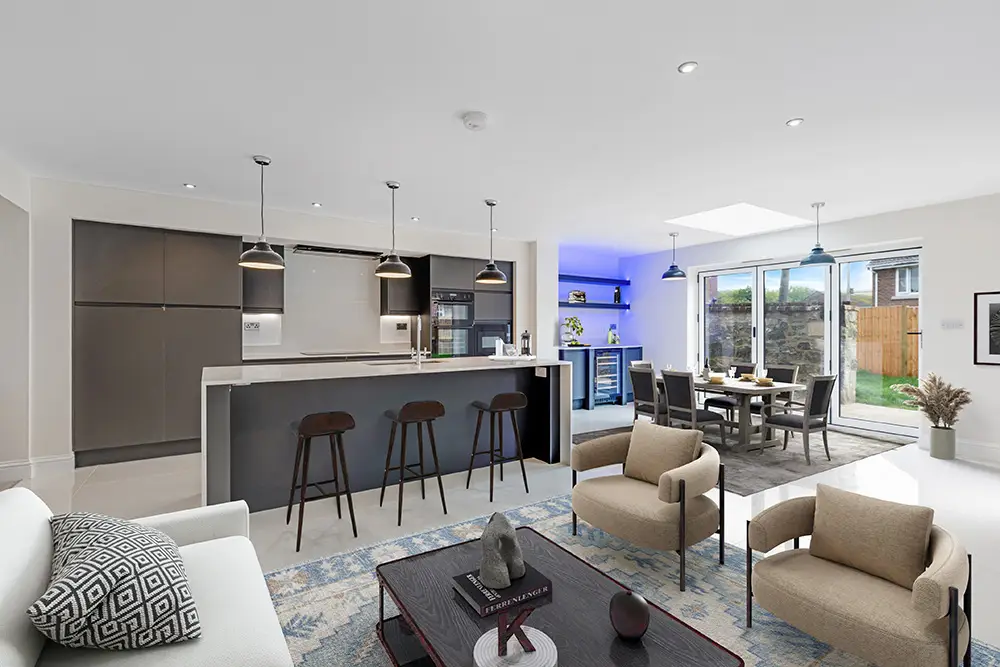
Key Takeaways
- Virtual staging costs £30–£60 per image; physical staging costs thousands per property plus monthly rental.
- Empty rooms photograph badly and are hard to size — both methods fix the same problem.
- Virtual staging is delivered in 24–48 hours; physical staging takes 1–2 weeks to install.
- Physical staging still helps at viewings — buyers stand in the real rooms.
- Virtually staged images must be disclosed as digitally staged to stay compliant.
Empty properties are hard to sell. Rooms photograph smaller than they are, buyers can't judge whether a king-size bed fits, and a portal gallery of bare magnolia boxes gets scrolled past. Staging fixes that — the question is whether you stage the rooms physically or digitally.
Both approaches solve the same problem. They differ wildly in cost, speed and where they have their effect.
What each one actually is
Physical home staging rents real furniture, installs it in the property, and removes it when the property sells. The rooms look furnished in photos and at viewings.
Virtual staging adds photorealistic furniture to photographs of empty rooms. The portal listing shows beautifully furnished spaces; the property itself stays empty.
Cost: no contest
| Aspect | Virtual staging | Physical staging |
|---|---|---|
| Typical UK cost | £30–£60 per image | £2,000–£8,000+ per property |
| Ongoing cost | None | Monthly furniture rental |
| Whole 3-bed house | Under £300 | £3,000–£6,000 typical |
| Turnaround | 24–48 hours | 1–2 weeks to install |
Virtual staging costs one to two percent of the physical equivalent. For most listings, that alone settles the question — but cost isn't the whole picture.
Where each approach wins
Virtual staging wins online. Portal search is where buyers form their shortlist, and staged photos consistently out-click empty rooms. Since the marketing photos are the entire first impression, virtual staging captures most of the value of staging at photo-shoot prices. It's also flexible: the same empty bedroom can be presented as a home office to one audience and a nursery to another, and updated styles cost a fraction of re-dressing a real room.
Physical staging wins in person. When a buyer walks into a furnished room, they experience the scale and warmth directly. At premium price points — where a single viewing impression can move the offer by tens of thousands — physical staging or a dressed show home still earns its fee. It also helps marginal spaces (awkward layouts, small rooms) feel resolved in a way a photo can't.
The pragmatic middle: many agents virtually stage the listing photos and lightly dress the property for viewings — fresh towels, plants, a made-up bed in the master. Most of the impact, a fraction of the cost.
The disclosure rule most sellers miss
Virtually staged images must be labelled as such. UK consumer protection regulations require that marketing doesn't mislead, and a photo implying the property comes furnished — or hiding its actual condition — can cross that line. The safe pattern, and the one we use, is simple:
- Label each virtually staged image ("virtually staged")
- Keep the unstaged original available, ideally alongside in the gallery
- Never use staging to conceal defects — damp, damage or condition issues must stay visible
Handled that way, virtual staging is fully compliant and buyers respond well to it: they understand they're seeing a visualisation of the room's potential. For a deeper look at the rules, see our guide to disclosing virtual staging.
How to decide for your property
- Standard listing, empty or dated rooms → virtual staging. The economics are unarguable.
- Premium property where viewings close the deal → physical staging, or both.
- Tenanted or lived-in property with cluttered photos → consider decluttering and photo enhancement rather than staging.
- New-build show plots → physical for the show home, virtual for the remaining plots' marketing.
The bottom line
Virtual staging has made the core benefit of home staging — rooms that buyers can imagine living in — available at photo prices. Physical staging still has a place at the top of the market, but for the everyday empty listing, virtually staged photography is the highest-return marketing spend available.
Photoplan delivers photorealistic virtual staging from £30 per image within 48 hours, disclosure labelling included — or book a photography shoot planned for staging from the start.
Frequently Asked Questions

The Photoplan Team
Property Media Specialists
The Photoplan team produces property photography, floor plans, tours, video and CGI that help estate agents, developers and commercial clients market property beautifully.
Selling an empty property?
Photoplan virtually stages empty rooms with photorealistic furniture from £30 per image, delivered within 48 hours — with disclosure-compliant labelling included.
Estate agents book through the app · One-off customers order in the shop · or contact us
Related Articles
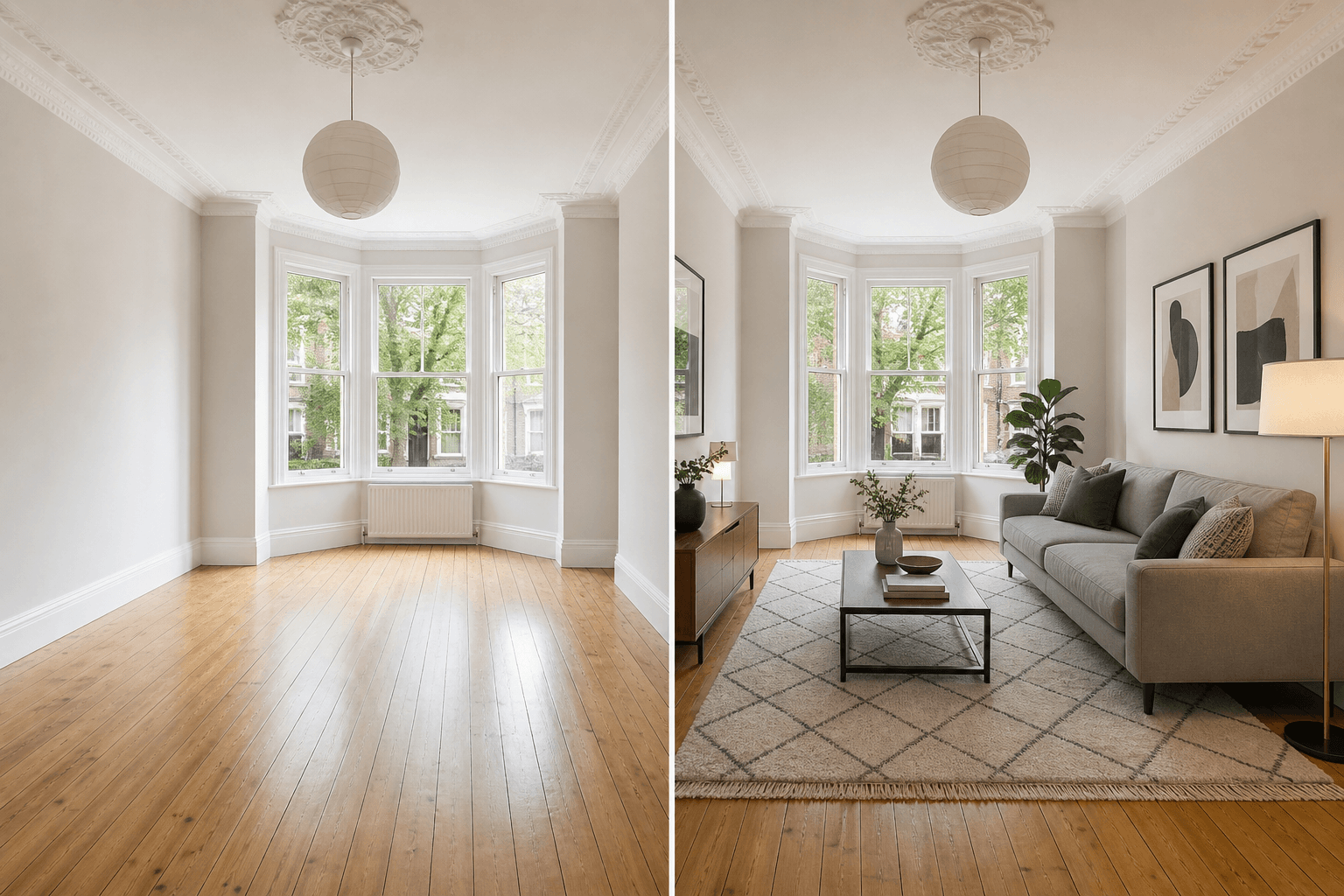
Virtual Staging vs Traditional Home Staging: The Real Cost Comparison for UK Agents
Physical staging can run to thousands of pounds per month. Virtual staging costs a fraction per image. Here's an honest cost comparison — and the situations where each approach genuinely earns its money.
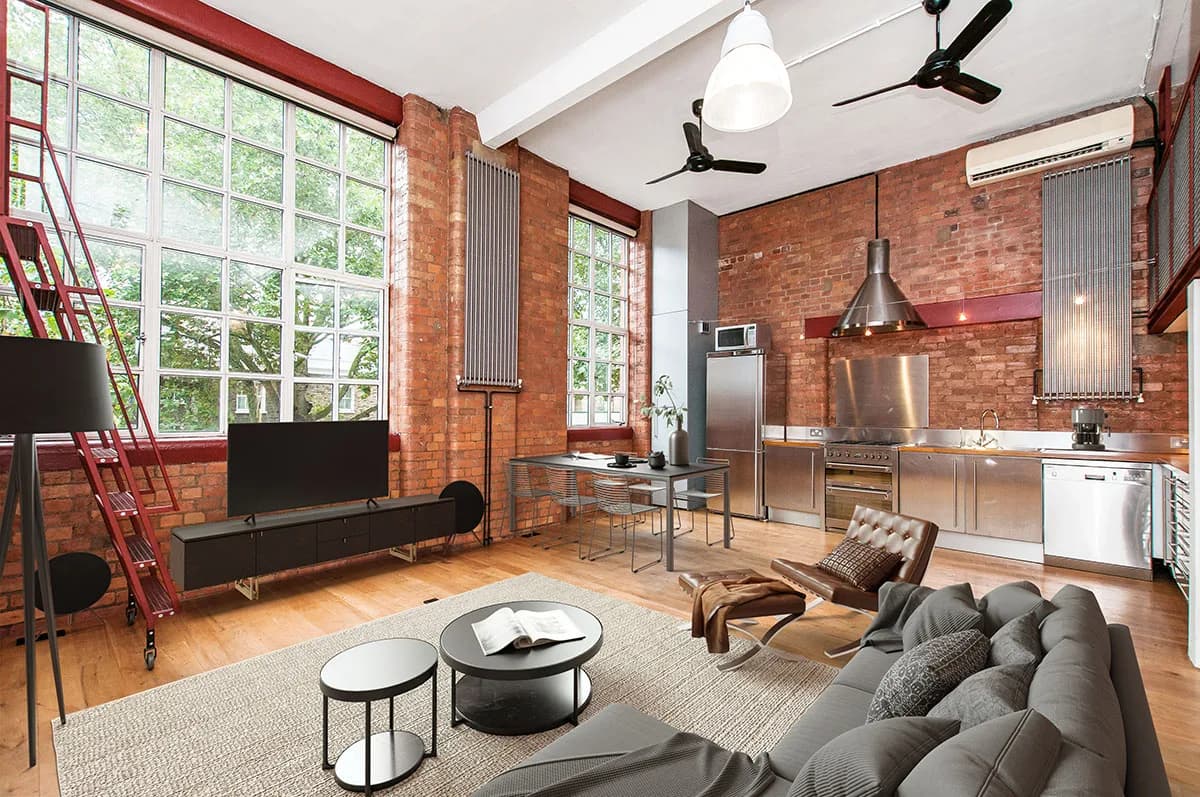
Does Virtual Staging Sell Homes Faster? What the Evidence Says
Empty properties take longer to sell — that's measurable. Whether virtual staging closes the gap, what the data shows, and where it makes the biggest difference.
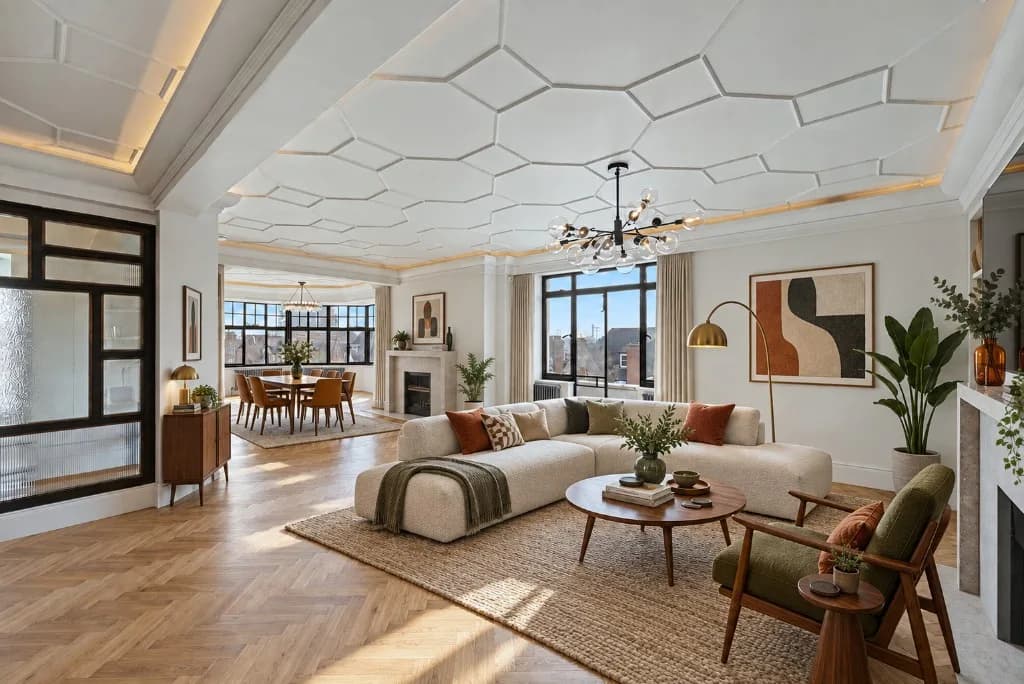
Virtual House Staging Explained
A practical UK guide to virtual house staging — what it is, how it works, costs, AI versus professional staging, labelling, and when estate agents and developers should use it.