
Property Video Marketing: Why Video Sells Homes in 2026
Video is the most engaging asset a listing can have — on portals and especially on social media. What property video costs, which formats work and how agents use it to win instructions.
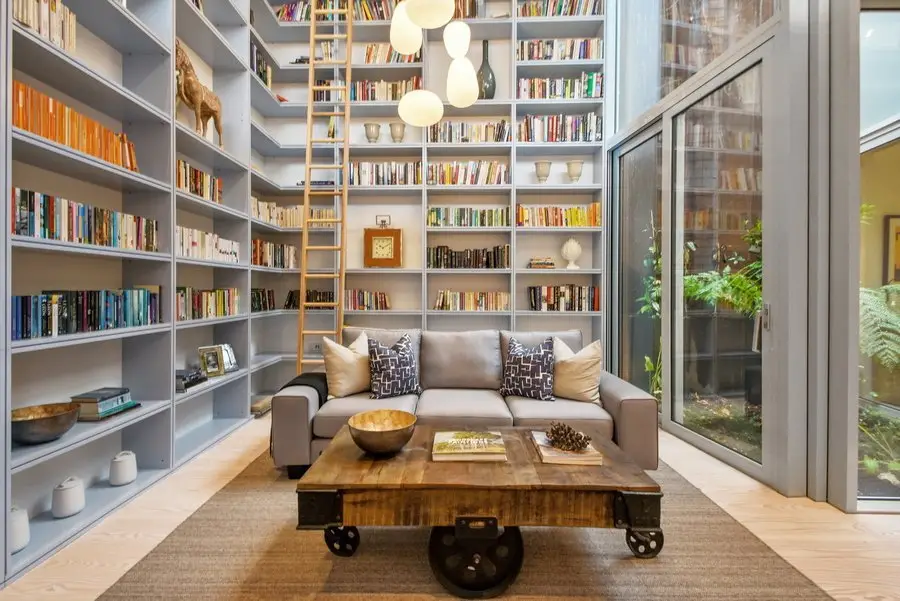
Key Takeaways
- Short vertical video (Reels/TikTok) is the highest-reach format for estate agent social accounts.
- A 60–90 second walkthrough answers layout and flow questions photos can't.
- Video works twice — it markets the property, and the agency's brand to future vendors.
- Professional property films cost £250–£600; smartphone video with a gimbal covers social-only needs.
- Every shoot should deliver both landscape (portal/YouTube) and vertical (social) edits.
Buyers don't read listings; they feel them. And nothing carries the feel of a home — the light in the kitchen at 4pm, the flow from hallway to garden — like moving pictures. That's why video has gone from a premium extra to the highest-engagement asset in property marketing, and why the agents using it well are so visible on Instagram and TikTok.
Here's what works in 2026, what it costs, and where the value actually comes from.
Why video earns its place on a listing
Photographs sell individual rooms. Video sells the property: how spaces connect, how big it really feels walking through, where the light comes from. Those are exactly the questions that otherwise require a viewing — which means video qualifies buyers before they book, and books more of the right viewings.
On portals, listings with video hold attention longer and convert more views to enquiries. But the bigger shift has happened off-portal: short vertical property tours are now the single highest-reach content an estate agency can post. A well-cut 30-second walkthrough of a characterful listing routinely reaches ten times an agency's follower count — exposure no static photo achieves.
The formats that work
The listing film (60–90 seconds, landscape). The core asset: a stabilised, edited walkthrough covering the key rooms, garden and setting, often opening with an aerial shot. Long enough to show flow, short enough to hold attention.
The social cut (15–30 seconds, vertical). The same footage re-edited 9:16 for Reels and TikTok — fast cuts, captions, a hook in the first two seconds ("This £450k barn conversion hides a secret…"). This is where reach lives; every shoot should deliver one.
The presenter-led tour. An agent walking the buyer through on camera. Slower to produce, but it builds the agency's brand as much as the listing's — and vendors notice.
Twilight and lifestyle films. For premium stock: dusk exteriors, lit interiors, slower pacing. Paired with professional photography, this is the marketing package that wins high-value instructions.
What property video costs
| Production | Typical UK cost |
|---|---|
| 60–90s property film, shot and edited | £250–£600 |
| Vertical social cut (added to a shoot) | £50–£150 |
| Drone footage added | £100–£250 |
| Presenter-led / premium production | £500–£1,500+ |
A phone and a £100 gimbal can cover day-to-day social content — if you're going that route, our gimbal guide compares the current options. For the listing film on a sale, professional stabilisation, exposure handling and editing still show, the same way phone photos differ from a professional shoot.
Video wins twice: listings and instructions
The under-appreciated return on property video isn't the listing it markets — it's the next valuation. Vendors compare agents' marketing before instructing, and an agency whose listings all carry polished films walks into every valuation with proof of effort. "Here's the film we made for the house around the corner" is a stronger pitch than any leaflet.
That's also why consistency beats occasional showpieces: one video per premium listing, cut for social every time, compounds into a feed that sells the agency all year.
Video or virtual tour?
They solve different problems. A film is emotional and shareable — perfect for reach and first impressions. A 360 virtual tour is interactive — buyers explore every room at their own pace, which qualifies serious interest and cuts wasted viewings. Premium listings increasingly carry both: the film brings buyers in, the tour lets them self-qualify.
The bottom line
Video is no longer optional for agents who want reach: it's the format portals reward, social algorithms favour and vendors notice. Start with a 60–90 second film plus a vertical cut on your best listings, keep it consistent, and let the compounding brand effect do the rest.
Photoplan shoots and edits property video nationwide — landscape and vertical edits included, with optional drone footage and twilight scenes.
Frequently Asked Questions

The Photoplan Team
Property Media Specialists
The Photoplan team produces property photography, floor plans, tours, video and CGI that help estate agents, developers and commercial clients market property beautifully.
Ready to add video to your listings?
Photoplan produces cinematic property films — shot, edited and delivered in landscape and vertical formats for portals and social media, nationwide.
Estate agents book through the app · One-off customers order in the shop · or contact us
Related Articles
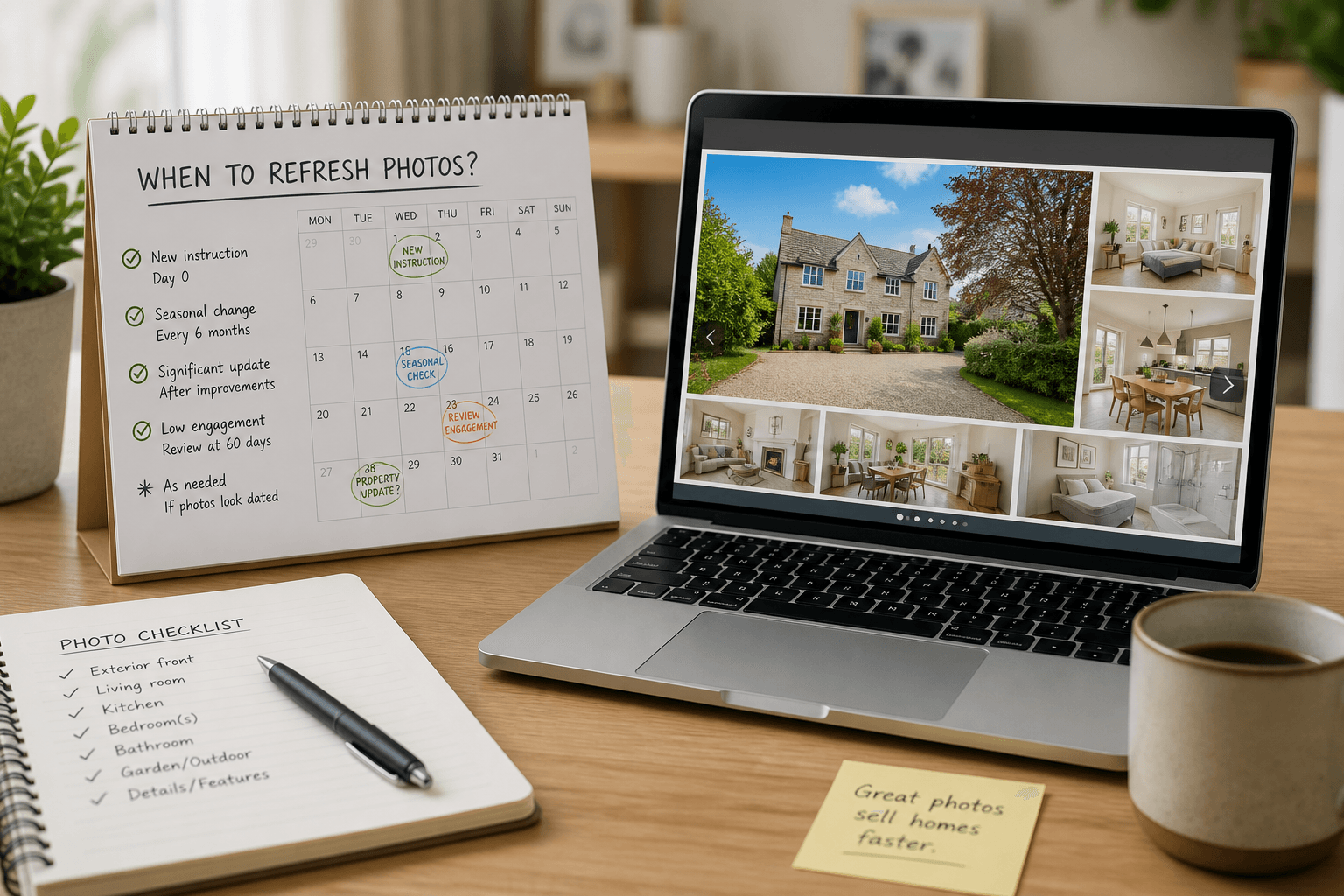
When to Update Listing Photos (And When to Leave Them Alone)
Not every quiet week needs a reshoot. Here is a clear policy agents can use for when listing photography should be updated through the marketing life cycle.
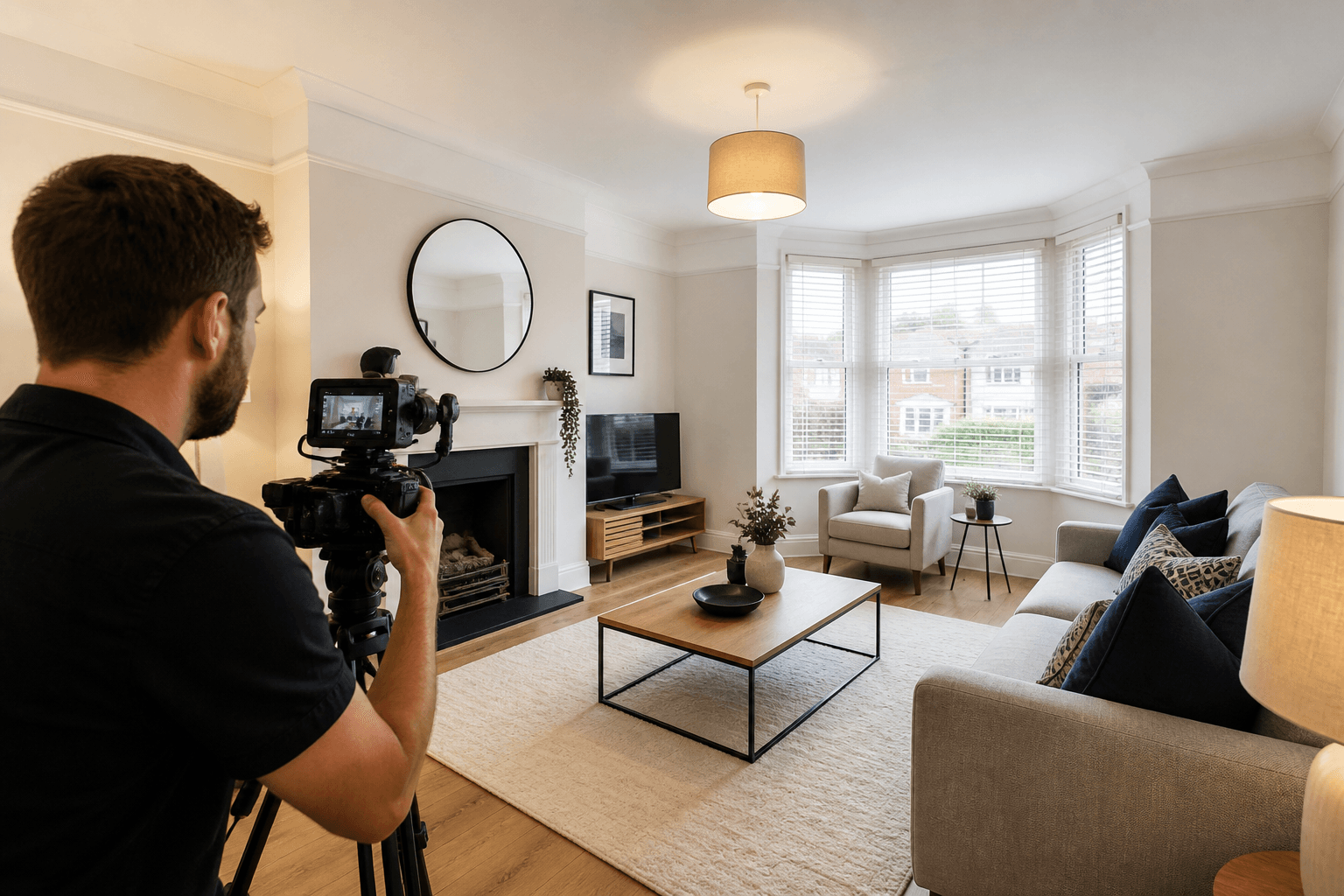
Property Video Shot List for Estate Agents: What to Capture on Site
A useful property video is built from a disciplined shot list — not random walking footage. Here is what agents should ask for on the day.
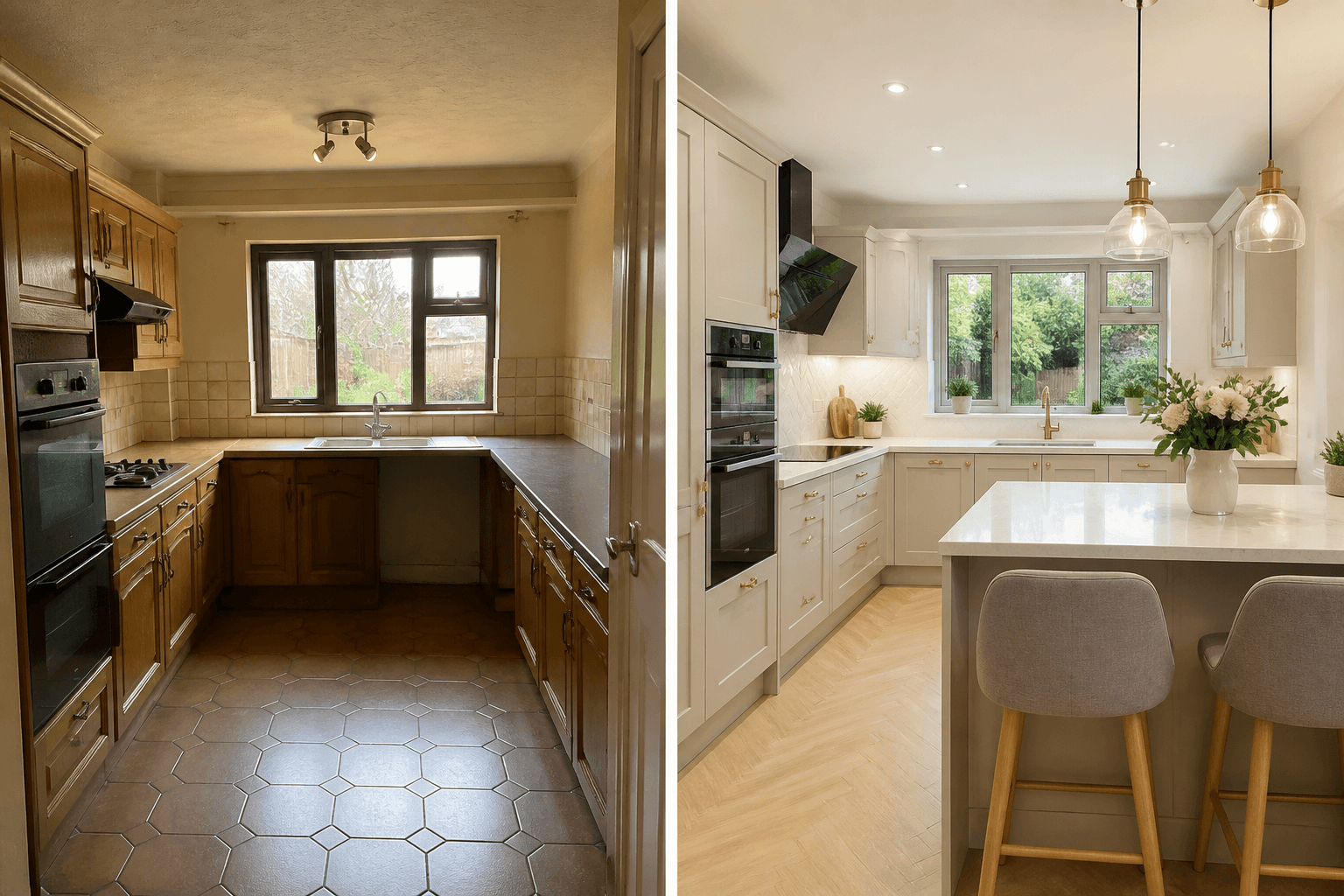
Before-and-After Renovation Photography for Investors and Developers
Renovation stories sell the next project as much as the current one. Here is how to capture before-and-after media that proves uplift without cheating the comparison.