
Photographing Period and Listed Properties: A Guide for UK Estate Agents
Georgian, Victorian and listed homes need a different photographic approach to new builds. Here is how to capture character, light and detail without flattening what makes them valuable.
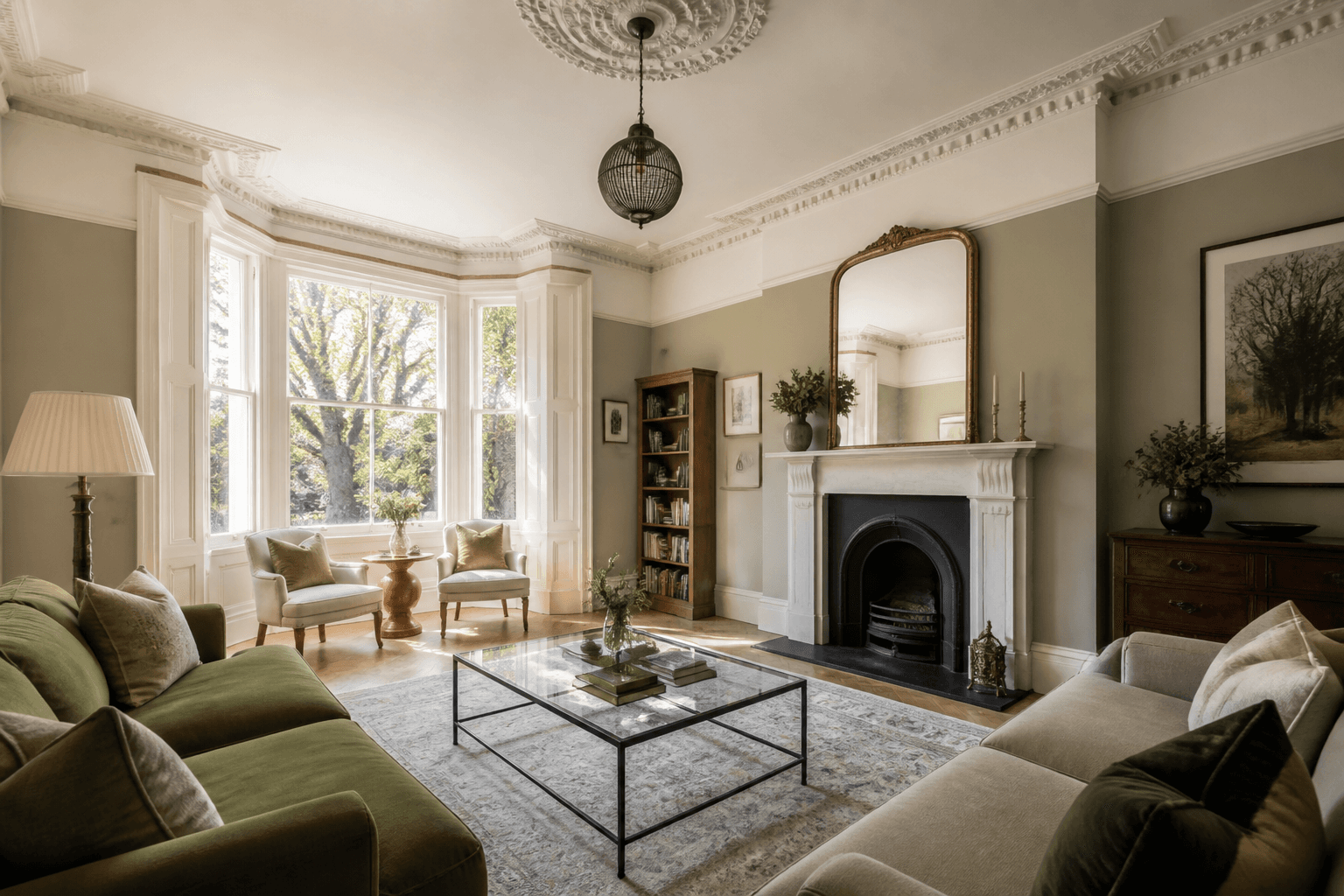
Key Takeaways
- Character is the product — photography should reveal it, not modernise it into generic stock.
- Tall rooms and narrow hallways need careful lens choice and corrected verticals.
- Detail shots earn their place on period homes more than on new builds.
- Exteriors should show the building in its street or setting, not only a tight cropped facade.
- Listed status affects what vendors can change — never imply alterations that consent would not allow.
Period and listed homes are not "houses with nicer skirting". They are a different product. Buyers pay for light through original sash windows, ceiling height, joinery, fireplaces and the feeling of a building that has outlived fashion.
Generic new-build photography habits — aggressive wide angles, flat HDR, lifestyle props that fight the architecture — strip that value out. Agents instructing Georgian terraces, Victorian semis, Arts and Crafts houses and listed cottages need a capture approach that protects character.
Start Outside: Context Is Part of the Asset
A listed facade does not live in isolation. Shoot:
- The front elevation square-on and a three-quarter approach
- Street context that shows rhythm with neighbouring buildings
- Railings, steps, portico, brick bond, stone dressings
- Rear elevations and garden relationship — often where modern living actually happens
Twilight exteriors can be outstanding on period streetscapes when proportions and lighting suit it. They are not automatic — a compromised frontage still looks compromised at dusk.
For rural or large-plot period homes, drone photography helps explain setting, drive and outbuildings that ground-level stills miss — subject to airspace and consent around sensitive sites.
Light Is the Hero Indoors
Period interiors often mix cool window light with warm lamps and dark wood. The goal of property photography here is balanced, natural-looking light — not a clinical white box.
Practical priorities:
- Shoot when key rooms receive their best natural light
- Keep window views where they sell the home; do not nuke them to pure white by default
- Respect shadow enough to keep mouldings readable
- Turn on period-appropriate fittings; avoid a Christmas-tree of every bulb if it destroys atmosphere
Deep Victorian reception rooms punish lazy exposure. So do basement kitchens in townhouses. Budget time accordingly.
Verticals, Width and the Distortion Trap
Tall ceilings are a selling point until a careless wide lens makes walls lean like a funhouse. Correct verticals are non-negotiable.
Also resist the urge to "make it bigger" with extreme width in narrow halls and landings. Buyers notice at the viewing. For compact secondary spaces, the same discipline as small-room photography applies — clarity over circus optics.
Detail Shots Are Not Optional
On a new build, detail shots are garnish. On a period home, they are proof.
Include a deliberate detail set:
- Fireplaces and surrounds
- Cornicing, roses and shutters
- Stair spindles and newel posts
- Original floors and hardware
- Stained glass and fanlights
- Any carefully restored feature named in the brochure
These images support copy, social cut-downs and the vendor's emotional attachment — which matters when you are winning the instruction as much as when you are selling the house.
Staging and Vacant Period Homes
Furnished period homes usually photograph best when clutter is reduced but character furniture remains. Over-modern staging can make a Georgian room look like a show home fighting its own bones.
For vacant stock, virtual staging helps with scale — choose styles that fit the architecture. Do not virtually remove chimney breasts or invent openings that listed building consent would never allow. Broader vacant tactics sit in empty property photography.
Always Pair with a Measured Floor Plan
Irregular footprints, rear additions, split levels and "two rooms knocked through" stories are why period listings without plans frustrate buyers. A measured floor plan — ideally captured in the same visit as photography — stops layout surprises. See why every listing needs a floor plan.
A 360 tour is especially useful when room flow is complex and remote buyers need to understand how the levels connect.
Brief the Photographer on Constraints
Tell them before arrival:
- Listed status and any rooms that must not be altered in frame for marketing claims
- Features that must appear (and any the vendor is sensitive about)
- Cellar / attic / outbuilding inclusion
- Best-known light times if the vendor lives there
- Whether dusk is required
A clear brief prevents a technically fine gallery that somehow missed the original staircase. Use how to brief a property photographer as the checklist.
Character, Honestly Shown
Photoplan photographs period and listed homes for agents across London and the UK — stills, plans and tours that let the architecture do the selling. Get in touch when the instruction deserves more than a standard new-build package.
- #property photography
- #estate agent photography
- #professional property photography
- #period property
- #property photography uk
Frequently Asked Questions

The Photoplan Team
Property Media Specialists
The Photoplan team produces property photography, floor plans, tours, video and CGI that help estate agents, developers and commercial clients market property beautifully.
Instructing a period or listed home?
Photoplan photographs period and listed properties for estate agents across London and the UK — character-led stills, floor plans and tours from one visit.
Estate agents book through the app · One-off customers order in the shop · or contact us
Related Articles
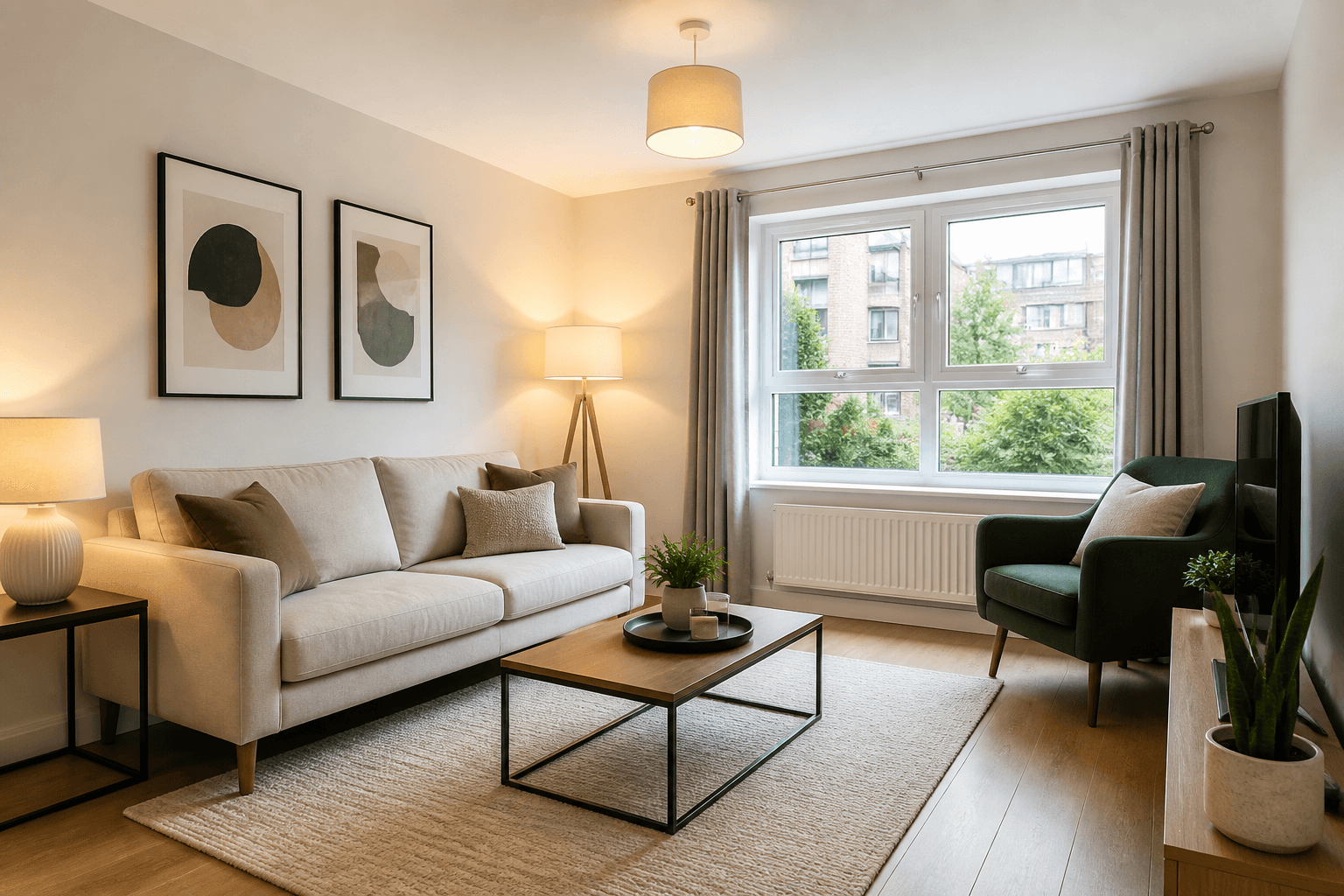
Lettings Photography Standards: What Tenants Swipe Past
Tenants decide in a thumb scroll. Here is a practical photography standard for UK lettings — lighter than sales where it should be, never sloppy.
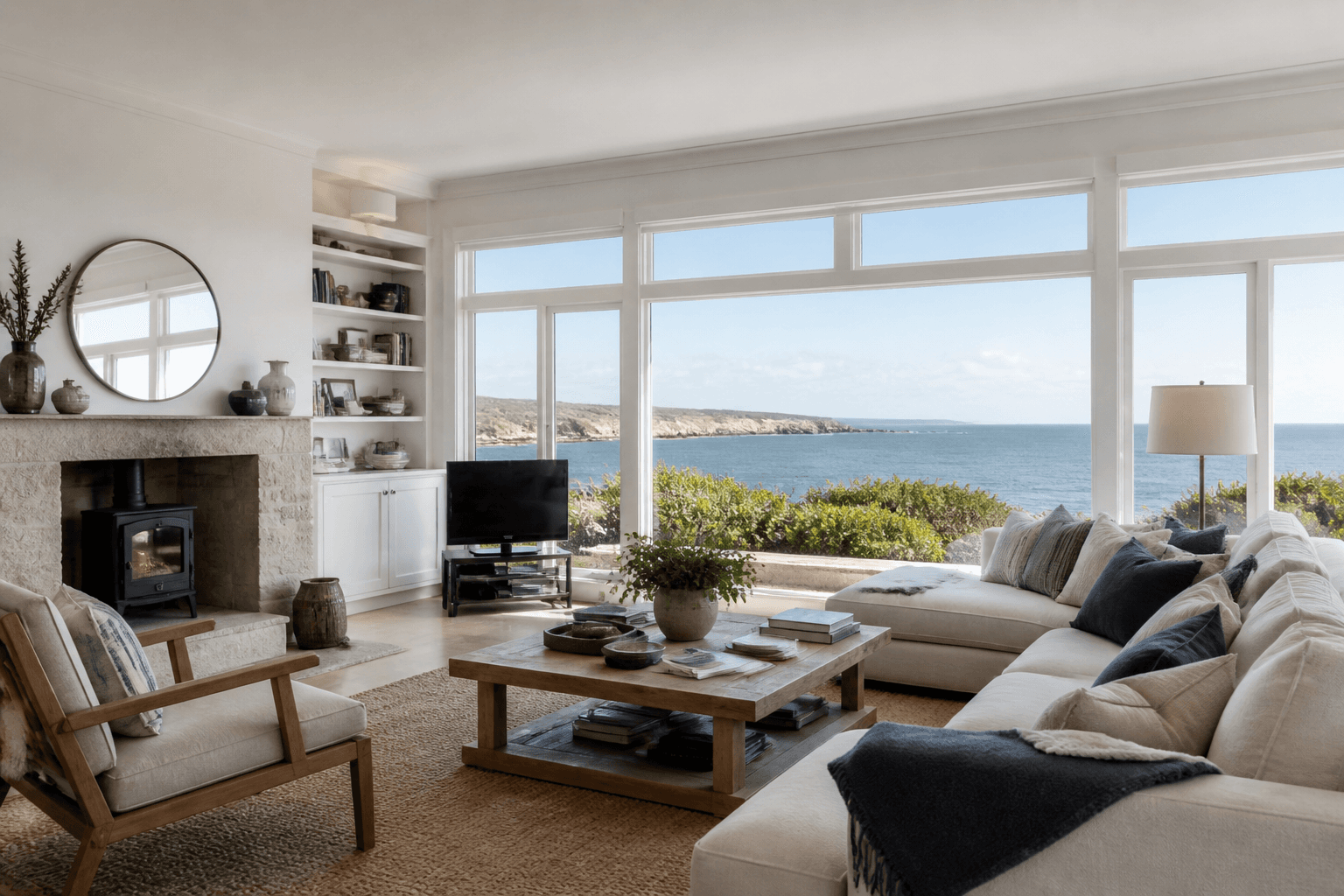
Coastal and Waterside Property Photography: Selling Location Honestly
When the view is the product, average interiors are not enough — and exaggerated views are worse. Here is how to photograph coastal and waterside homes with impact and integrity.
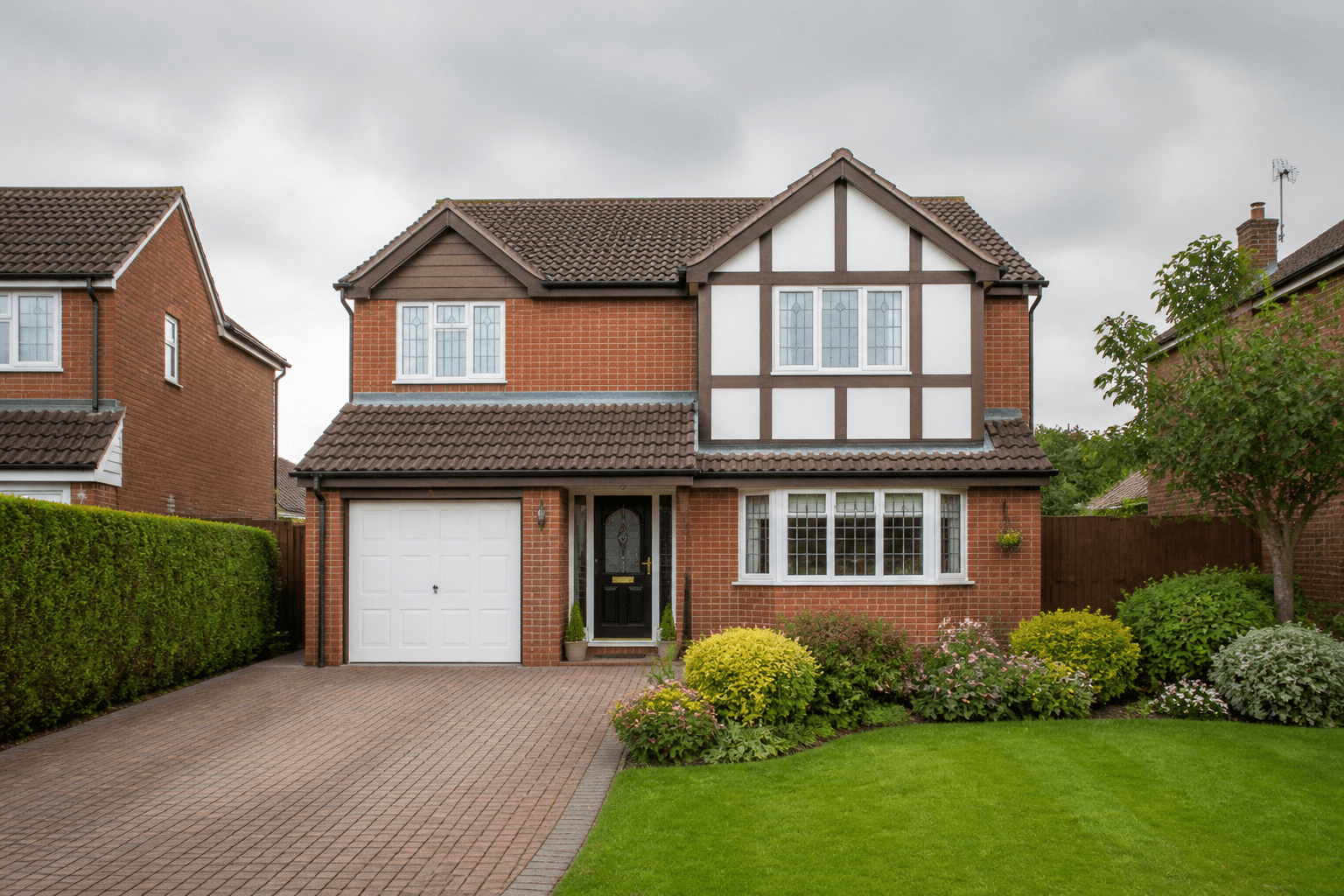
Bad Weather Exterior Shoots: What Estate Agents Should Do
Rain, wind and grey light wreck kerb-appeal photos — and diaries rarely wait for blue sky. Here is a practical playbook for agents when the weather turns.