
Drone Photography for Estate Agents: The Complete Guide
Everything estate agents need to know about using drone photography — UK rules, fly-yourself vs hire decisions, planning a shoot and getting imagery that wins instructions.

Key Takeaways
- Commercial drone flights need CAA registration, a pilot certificate and insurance — no exceptions for quick jobs.
- Hiring a licensed operator beats in-house flying below roughly one aerial shoot per week.
- Airspace matters — many urban addresses sit in flight restriction zones needing permission or ruling out flight.
- Aerial imagery wins instructions at valuation, not just clicks on portals.
- Weather flexibility is essential — build a reshoot policy into any drone booking.
Aerial imagery has become the clearest visual difference between a professionally marketed listing and an ordinary one. But for estate agents, drones come with a question photography never asked: who's allowed to fly? This guide covers the rules, the buy-vs-hire decision and the workflow that gets aerial imagery earning its keep — both on listings and at valuations.
If you want the "why and what it costs" case first, start with our overview of aerial drone video and photography; this guide is the operational half.
The rules, in plain English
Commercial drone work in the UK — which includes photographing a listing you'll earn a fee on — requires three things, regardless of how small the drone or quick the job:
- CAA operator registration. The agency (or operator) registers with the Civil Aviation Authority and displays its operator ID on the aircraft.
- A pilot qualification. For most property work with lighter drones, the A2 Certificate of Competency; for heavier aircraft or tighter urban operations, the GVC. Training and exams run £300–£500.
- Public liability insurance. Typically £1–5m cover, compliant with EC785/2004. Standard agency insurance does not cover drone operations.
Then there's airspace. Flight restriction zones surround every airport — large parts of London and swathes of most cities are inside one — and flying there needs prior permission or simply isn't possible. This is the invisible half of drone work: a licensed operator checks airspace before quoting, because the answer changes the job.
The penalties for skipping this aren't theoretical: enforcement action, and worse, an uninsured claim if a drone meets a conservatory. An agent "just grabbing a quick aerial" carries all of that risk personally.
Buy or hire? Do the arithmetic
The in-house case looks tempting — a capable drone costs £750, and per-listing costs drop to zero. The real ledger:
| In-house cost | Typical figure |
|---|---|
| Drone + spare batteries | £750–£1,100 |
| A2 CofC training + exam | £300–£500 |
| Insurance | £200–£500/year |
| Operator registration | Annual fee |
| Editing time per shoot | 30–60 minutes |
| Weather reschedules, currency flying | Ongoing |
Against £100–£250 per hired shoot, the break-even sits at roughly one aerial shoot per week, sustained. Below that, hiring wins on cost alone — before counting the quality gap between an occasional pilot and someone who flies daily, or the compliance admin. If you're above that threshold and want to fly in-house, our drone buyer's guide compares the current aircraft.
Planning a shoot that delivers
Book aerial with the ground shoot. One visit, one edit, one consistent look — and the aerial lead image gets ground-level backup from the same light and conditions.
Brief the selling points. South-facing garden, annexe, paddock, river frontage — the pilot should know what the image needs to prove before take-off. The best aerial photograph of a property is an argument, not a postcard.
Shoot at 20–60 metres, not 120. The classic mistake is flying high and producing satellite imagery. Property aerials work at heights that show the plot and keep the house recognisably a home.
Insist on weather flexibility. Wind above ~20mph, rain or fog should trigger a free reschedule. Grey-sky aerials undersell the property and the agency.
Order both orientations. Landscape stills for the portal gallery and brochures; if video is in scope, a vertical cut for Reels — aerial openings are the strongest hooks in property video.
Using aerial imagery to win instructions
The portal benefit is obvious; the valuation benefit is bigger. Vendors judge agents on the marketing they show up with, and a portfolio of aerial imagery from comparable local homes says "your property deserves this" more persuasively than any fee discussion. Agents we work with routinely present drone imagery at valuations for stock that justifies it — and report it as one of the most consistent instruction-winners against phone-photo competitors.
The same imagery keeps working after the sale: aerial shots of the street, the area and landmark listings feed the agency's social feed and local-expert positioning all year.
The bottom line
Drone photography for estate agents is a regulated activity with a clear economic threshold: hire licensed operators until aerial work is genuinely weekly, then consider bringing it in-house with proper training and insurance. Either way, the agents winning with aerial imagery are the ones using it deliberately — on the right stock, briefed around the selling points, and shown at every valuation.
Photoplan's CAA-licensed pilots deliver drone photography and video nationwide — airspace-checked, insured and edited portal-ready, bookable alongside photography in a single visit.
Frequently Asked Questions

The Photoplan Team
Property Media Specialists
The Photoplan team produces property photography, floor plans, tours, video and CGI that help estate agents, developers and commercial clients market property beautifully.
Aerial imagery without the paperwork
Photoplan's CAA-licensed pilots handle airspace checks, insurance and editing — aerial stills and video delivered portal-ready, nationwide.
Estate agents book through the app · One-off customers order in the shop · or contact us
Related Articles

Drone Property Photography Services UK: When Aerials Earn Their Fee
Drone property photography services are not an automatic upsell. Here is when UK aerial property photography is worth booking — and the compliance basics agents should check.
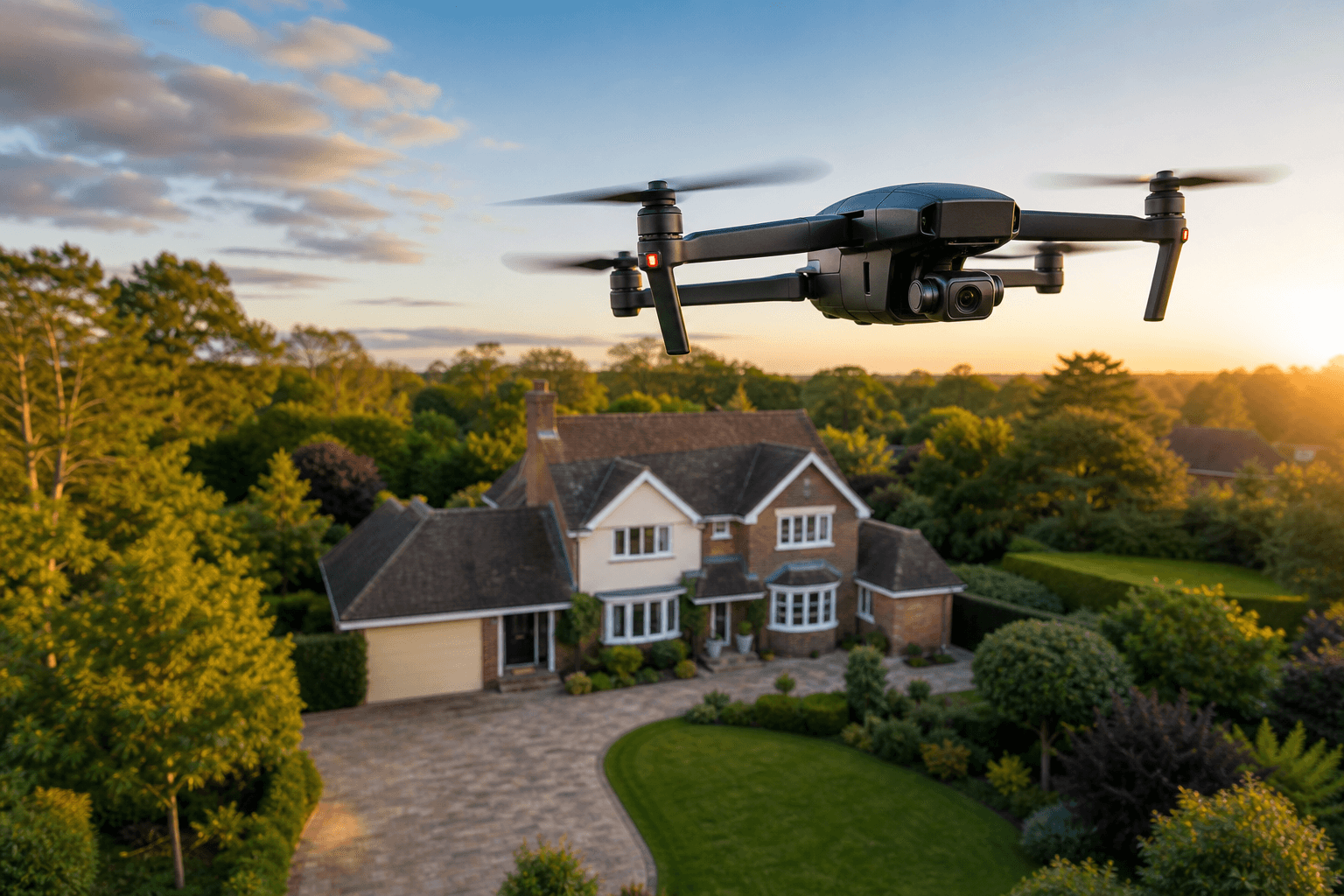
UK Drone Rules for Property Photography in 2026: What Estate Agents Need to Know
UK class marks arrived in January 2026 and the rules around flying near people have changed. Here's what the CAA regulations mean for aerial property photography — and what agents should check before booking a drone operator.
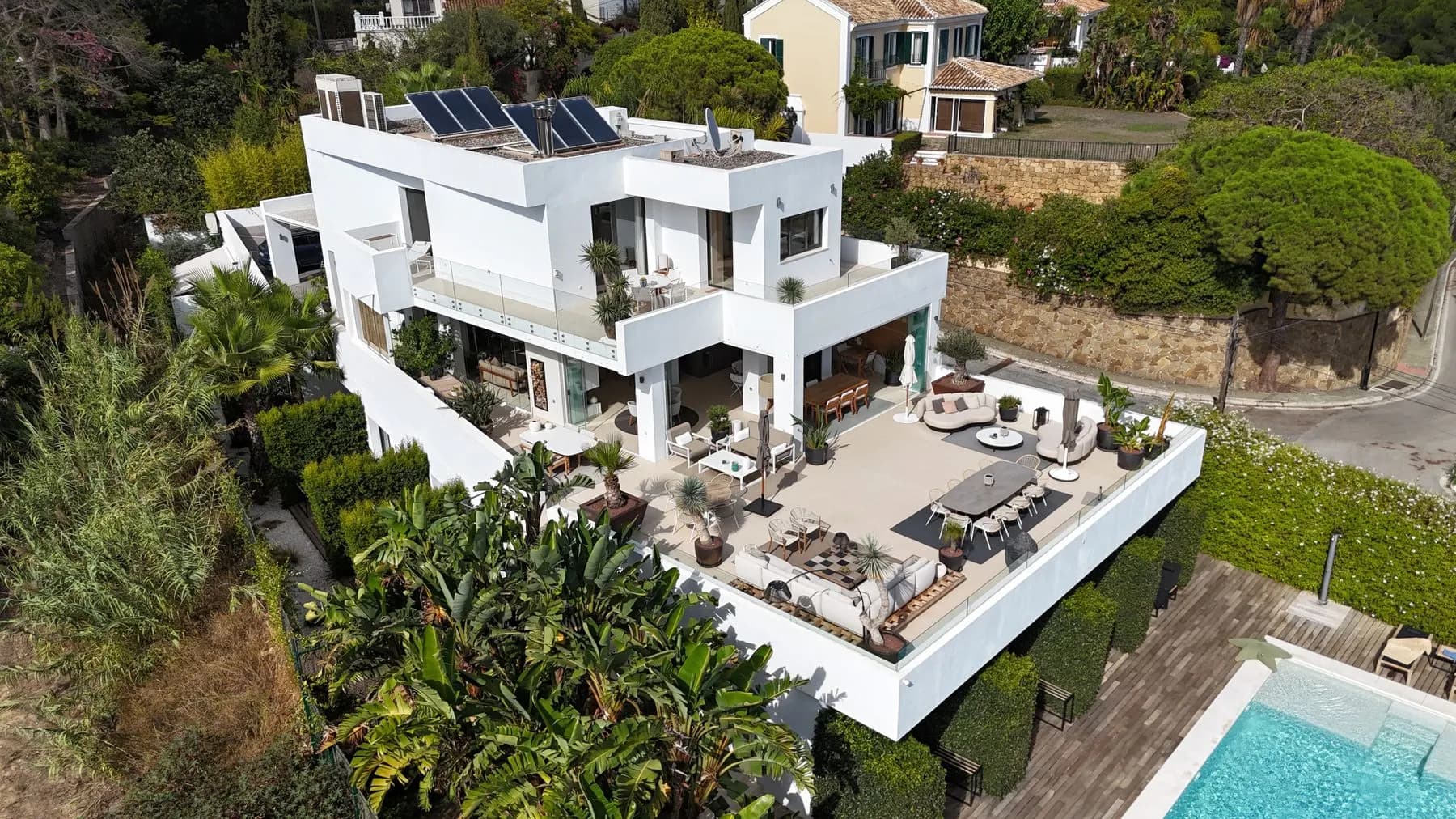
Aerial Drone Video and Photography for Property Marketing
What aerial drone video and photography add to a property listing, when they're worth the money, what UK rules apply and what you should expect to pay in 2026.