
How to Prepare a Property for Photography
Professional property photography produces better results when the property is thoughtfully prepared. This guide covers decluttering, staging, lighting, kerb appeal and how to work effectively with your photographer so the images represent the property at its very best.
Key Takeaways
- Decluttering is the single most effective preparation step — remove everything that does not actively improve the image.
- Staging does not require expensive furniture — thoughtful arrangement of what is already there is usually enough.
- Lighting matters enormously — open every window covering and turn on every light in the property.
- Kerb appeal and the garden deserve as much attention as the best interior room.
- Kitchens and bathrooms should be spotless and stripped of all personal items.
- Communicate clearly with your photographer about any constraints or specific rooms to prioritise.
The gap between a good property photograph and a mediocre one is rarely down to the camera or the photographer's skill alone. It is almost always down to preparation. A property that has been thoughtfully decluttered, well-lit and carefully staged will produce images that stop buyers mid-scroll. The same property, photographed without preparation, will look flat, cluttered and smaller than it actually is. This guide gives estate agents and vendors a practical framework for getting the very best from a professional photography visit.
Need professional property photography? Book a Photoplan photoshoot.
Photoplan delivers bright, HDR-edited property photography nationwide — often combined with floor plans and virtual tours in a single visit. Book online or speak to our team about agency pricing.
Start with decluttering
Decluttering is the foundation of good property photography preparation. It is also the step that most people underestimate in terms of both time and impact.
The principle is simple: anything that is visible in the photograph should either improve the image or be removed. Personal items — family photographs, children's artwork, toiletries, pet accessories, post, paperwork, kitchen appliances — are rarely improving the image. Remove them.
A practical approach:
- Work room by room, starting with the rooms that will feature most prominently in the listing (living room, kitchen, master bedroom)
- Take everything off visible surfaces and set it aside
- Add back only items that are genuinely decorative and presentable — a candle, a plant, a neat stack of books
- Store removed items in a cupboard, a car boot or a spare room that will not be photographed
- Remove all personal photographs from any room being shot
The objective is not to make the property look unlived-in. It is to make it look aspirational — the version of itself that a buyer wants to move into.
Staging principles that work
Professional staging for a photography shoot does not require a staging company or hired furniture. In most properties, simple adjustments to what is already there produce a significant improvement.
Living rooms
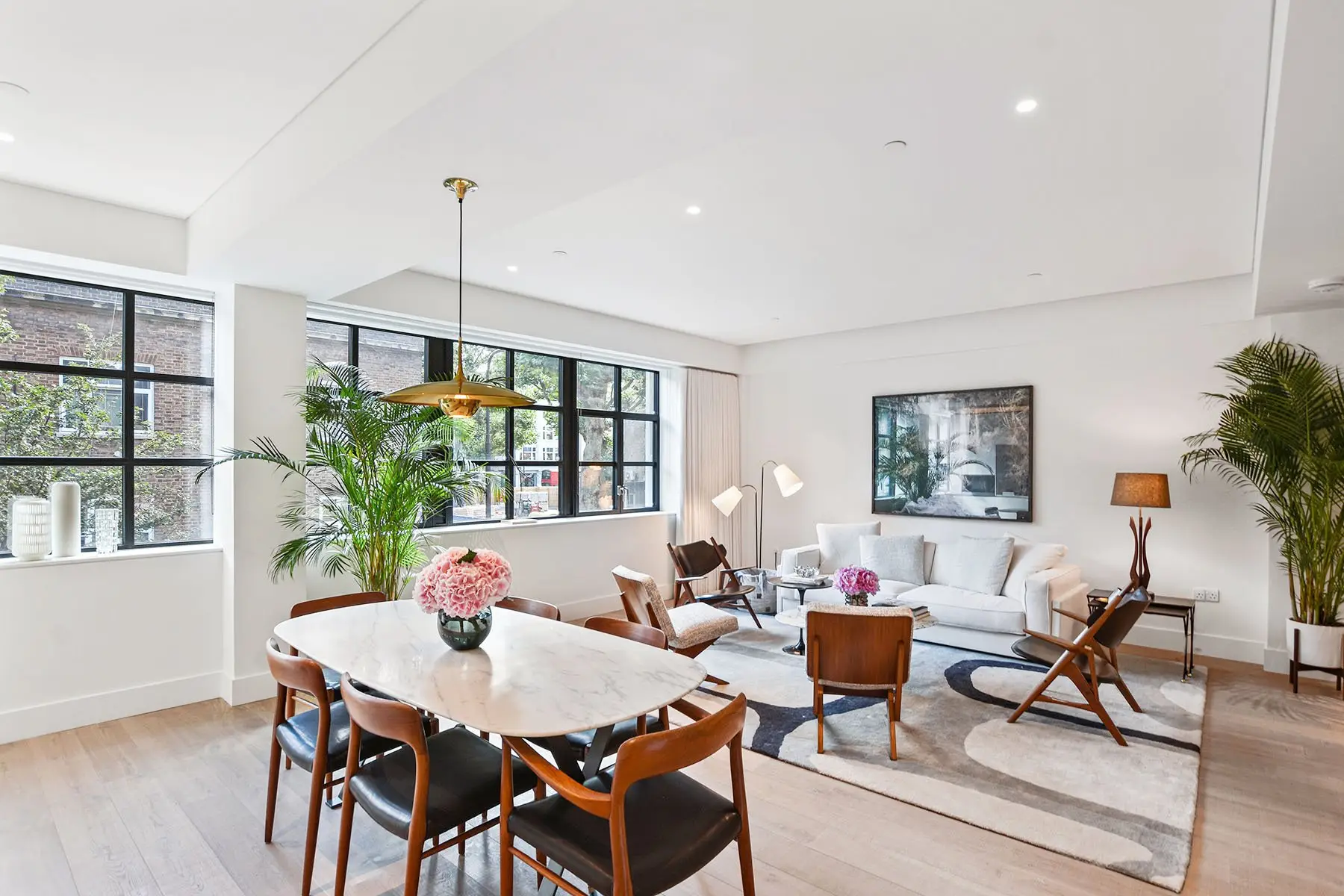
Arrange seating to face the natural focal point of the room — a fireplace, a window or the television. Plump cushions and arrange throws neatly. A coordinated colour palette across cushions, throws and any decorative items creates a coherent, styled look that photographs well.
Remove furniture that blocks sight lines or makes the room feel cramped. An armchair positioned at an awkward angle can make a generous living room look small in photographs. The photographer will compose the shot to show the room at its best, but they can only work with what is there.
Kitchens
Clear every worktop of appliances, dishes, drying racks, knife blocks and food items. The worktop is the dominant element of most kitchen photographs — a clear, clean surface with perhaps a single plant, a piece of fruit or a kettle makes the kitchen look spacious and well-maintained.
Clean the hob, the sink area and any chrome or stainless steel surfaces until they shine. Remove the contents from the front of the fridge. Ensure the bin is hidden — either inside a cupboard or outside the room.
Bedrooms
Make every bed that will be photographed with fresh, matching bedding. If the existing duvet cover is tired or mismatched, a new one is a worthwhile and inexpensive investment before the shoot. Clear all bedside tables completely except for a lamp and perhaps one small item.
Close all wardrobe doors. Remove clothing, shoes and personal items from chairs, floors and any visible shelving. The floor should be completely clear.
Bathrooms
Bathrooms often photograph poorly when rushed. Remove every personal item — shampoo, conditioner, shower gel, razors, soap, toothbrushes — from all visible surfaces. The shower, bath edge, basin and windowsill should be empty or have one or two carefully chosen items maximum.
Clean all surfaces, particularly grout, chrome taps and mirrors. A streak-free mirror is a small detail that makes an immediate difference. Put out clean, folded towels in a matching set.
Lighting: the most underestimated factor
Lighting has an enormous impact on how a room photographs. The difference between a dark, uninviting interior and a bright, welcoming one is almost entirely managed by light — and much of that is within the vendor's control.
Open everything
Every blind, curtain, shutter and window covering in the property should be fully open before the photographer arrives. This applies to all rooms, including bedrooms, bathrooms and any rooms that may receive direct sunlight at the time of the shoot.
Do not try to manage light yourself by partially closing blinds to reduce glare or shadow — this is the photographer's job. Your job is to maximise the available light for them to work with.
Switch on every light
Turn on every ceiling light, lamp, pendant light, under-cabinet strip, feature lighting and any other light source in the property. This includes bedside lamps, bathroom spotlights and any accent lighting in alcoves or display areas.
HDR photography blends multiple exposures at different settings, but having all lights on gives the photographer the most flexibility and ensures interiors feel warm and welcoming rather than cold and stark.
Replace any blown bulbs
Check every light fitting in the property before the shoot and replace any blown or missing bulbs. A ceiling light with one dead bulb creates an asymmetric, unfinished look in photographs that is easily avoided.
Kerb appeal and exterior preparation
The exterior photograph is almost always the lead image on a property listing. It is the first thing a buyer sees and the image that determines whether they click through to see more. Give the exterior the same attention as the best interior room.
Front of house
- Clean the front door — wash it, polish the letterbox and door handle, and consider repainting if the finish is poor
- Sweep the path, driveway and any steps
- Remove bins, recycling boxes, delivery parcels and any items that do not belong
- Move any parked vehicles from directly in front of the property if possible
- Clean or replace any worn or broken exterior light fittings
Garden
- Mow the lawn and edge all borders
- Sweep patios, decking and paths
- Remove furniture covers and arrange garden furniture as it would be used
- Clear tools, hosepipes, children's toys, bicycles and equipment from view
- Remove empty or dying plant pots
- Trim any overgrown hedges or shrubs that obscure the house
Garages and outbuildings
If the garage or outbuilding is a selling point, ensure it is tidy and clutter- free. If it is not being photographed, make sure its contents are not visible from angles that will be shot.
Timing and weather
For most interior photography, time of day is less critical than for exterior shots. The photographer will manage interior light through HDR technique regardless of what time the sun is in the sky.
For exteriors, the ideal conditions are:
- Bright overcast: soft, even light without harsh shadows or blown-out sky
- Early morning or late afternoon sun: a lower sun angle adds warmth and texture without the harsh contrasts of midday
- Avoid direct midday sun: the strong overhead light at midday creates unflattering shadows on the front elevation and often means the sky is overexposed
If the weather on the day of the shoot is genuinely poor — heavy rain, thick cloud with flat grey light — discuss with your photographer whether rescheduling is sensible. A good exterior photograph is worth waiting for.
Working effectively with your photographer
A professional photographer will manage the composition, settings and technical aspects of the shoot. Your role is to provide a well-prepared property and clear information about the space.
Before the shoot:
- Share any information about unusual features — low beams, very small rooms, rooms that photograph awkwardly — so the photographer can plan their approach
- Tell them which rooms are the priority if time is short
- Let them know if there are any access restrictions (a room that must stay locked, a neighbour with a right of way)
During the shoot:
- Stay out of rooms as they are being photographed — it is fine to be in the property, but move to a room that has already been shot
- Let the photographer work at their own pace rather than directing them through each room — they will identify the best angles and compositions quickly if they have space to do so
- Mention anything that has changed since the booking if it is relevant
Combined photography and floor plan visits
If your photography visit also includes a floor plan survey, the same practical considerations apply to the survey. The surveyor will need clear access to all rooms, including the loft if it has been converted, any outbuildings, garages and storage rooms. Ensure all areas are accessible and not blocked by furniture or stored items.
A combined photography and floor plan visit is the most efficient approach for most listings — one appointment, all listing assets delivered the next working day. See the Photoplan property photography service for details.
For leasehold properties, a Land Registry-compliant lease plan can be added to the same visit, providing the solicitor with the legal documentation they need without a separate appointment.
The difference good preparation makes
Preparation cannot be undone in post-production. A professionally edited photograph of a well-prepared room looks extraordinary. The same well-edited photograph of a cluttered, poorly lit room looks like a well-edited photograph of a cluttered, poorly lit room.
The time invested in thorough preparation — typically four to six hours for an average three-bedroom property — pays back every time the listing is viewed online. It supports a stronger first impression, more viewing enquiries and a more confident buyer at the point of offer.
Explore our property photography checklist for a room-by-room printable guide, or view all guides for more advice on property presentation and listing performance.
Need professional property photography? Book a Photoplan photoshoot.
Photoplan delivers bright, HDR-edited property photography nationwide — often combined with floor plans and virtual tours in a single visit. Book online or speak to our team about agency pricing.
- #how to prepare a property for photography
- #property staging tips
- #property photography preparation
- #decluttering before photos
- #estate agent photography tips
Frequently Asked Questions

The Photoplan Team
Property Media Specialists
The Photoplan team produces property photography, floor plans, tours, video and CGI that help estate agents, developers and commercial clients market property beautifully.
Need professional property photography? Book a Photoplan photoshoot.
Photoplan delivers bright, HDR-edited property photography nationwide — often combined with floor plans and virtual tours in a single visit.
Estate agents book through the app · One-off customers order in the shop · or contact us
Related Articles

AI Image Enhancement Explained — HDR Photo, PhotoEdit and PhotoClear
HDR Photo, PhotoEdit and PhotoClear are three AI-powered image enhancement tools in the ReHub Studio suite. This guide explains what each one does, when to use it, how it improves listing photography, and how the three tools work together as a connected workflow for estate agents and property photographers.
The Complete AI Property Marketing Guide — From Photoshoot to Portal
Estate agents now have access to a connected AI workflow that takes a property from photoshoot through to portal-ready listing assets in a single pipeline. This guide explains each stage — photo, declutter, stage, edit, video, twilight — and how ReHub Studio connects them.
AI Property Videos Explained — How They Work and When to Use Them
AI property videos turn listing photographs into short cinematic walkthrough videos without any filming. This guide explains how the technology works, how ImageMotion compares to a traditional videographer, what portals and social media platforms support property video, and when each approach is the right choice.