
How to Photograph Luxury Homes — Elevated Standards for Premium Listings
Luxury property listings demand a higher standard of photography at every level — from composition and timing to detail shots and post-processing. This guide covers the professional approach to photographing premium homes, matching the expectations of discerning buyers and positioning a property correctly in the market.
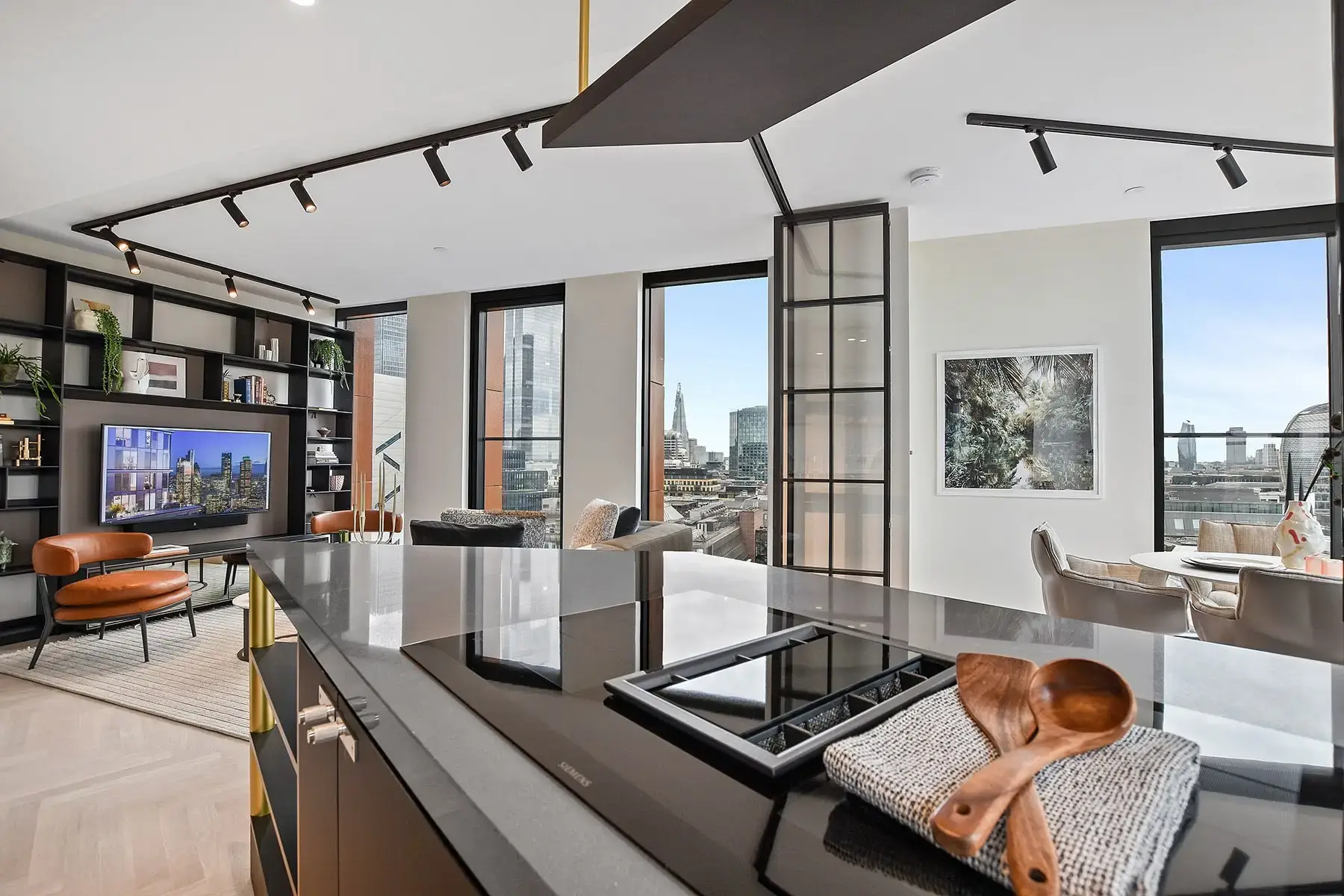
Key Takeaways
- Luxury buyers expect photography that matches the standard of the property — ordinary images undervalue premium homes.
- Twilight exterior shots are almost always worth including for properties at the upper end of the market.
- Architectural detail photography (ironwork, joinery, stonework, fittings) signals quality and differentiates the listing.
- Staging and styling — including fresh flowers, laid dining tables and dressed beds — is a standard part of a premium shoot.
- Consistency across all images in a set is as important as individual shot quality.
- Longer shoots are an investment, not an overhead — poor photography on a luxury property has a measurable cost.
Premium property listings are judged to a different standard than the rest of the market. A buyer considering a home at the upper end of their budget — whether that is £500,000 in a regional market or £5 million in prime London — arrives at the listing with higher expectations of everything: the photography, the presentation, the detail and the story the images tell. When the photography falls short of those expectations, it does not merely fail to impress; it actively undermines the perceived value of the property and can cost the vendor meaningful money.
Need professional property photography? Book a Photoplan photoshoot.
Photoplan delivers bright, HDR-edited property photography nationwide — often combined with floor plans and virtual tours in a single visit. Book online or speak to our team about agency pricing.
Why ordinary photography undervalues luxury homes
The connection between photography quality and perceived property value is not abstract. Buyers and agents both understand it, even if they rarely articulate it: a beautifully presented home photographed in flat, uninspired light with cluttered surfaces and no styling sends a signal about how seriously the seller takes the sale. At the premium end of the market, that signal matters more than in any other segment.
Standard listing photography — useful as it is for the middle market — was not designed for properties where the architecture, the materials and the quality of the spaces deserve to be the story. Wide shots of empty rooms tell buyers that a property has bedrooms and a kitchen; they do not convey the hand-painted cabinetry, the original Edwardian cornicing, the south-facing terrace, or the way morning light falls through the south-east glazing into the principal reception room.
Luxury property photography is, fundamentally, editorial photography in a real estate context. The brief is not simply to document the rooms but to show the property at its most compelling and to match the expectations of the buyers who are most likely to make an offer.
Composition at the premium level
Composition in luxury property photography demands more deliberate thought than standard listing work. Every frame should justify itself.
In large reception rooms and open-plan kitchen-dining spaces, the instinct is to reach for the widest angle and capture as much as possible. This can work well, but it often produces images where the quality of the space is diluted — you see everything and are impressed by nothing. The better approach is to identify the hero element of each space: the fireplace, the island, the view through the bifolds, the chandelier, the run of bespoke cabinetry — and compose the shot so that element is the clear focal point.
Leading lines are more valuable at the premium level. A long hallway with original stone flags, a staircase with hand-turned balusters, a garden path flanked by clipped hedging — these are natural leading lines that draw the eye and give the image depth. In luxury homes, these elements are often present and should be sought out actively rather than stumbled upon.
Negative space — deliberately keeping some areas of the frame uncluttered — is a marker of premium content. Luxury buyers are familiar with editorial property photography and interior design imagery; they associate generous, uncluttered composition with quality. Attempting to include everything in a single frame is more characteristic of volume listing photography.
The case for twilight photography
For most properties in the premium market, twilight exterior photography is not optional. It is one of the most powerful images in the listing set.
A twilight shot — taken in the 20–40 minutes after sunset when the sky holds a deep blue and interior lighting creates warm pools of light through windows and glazed doors — achieves several things simultaneously. It shows the property's exterior profile against a dramatic sky. It communicates that the home is lived in and welcoming. It creates an emotional response that flat-light daytime exteriors rarely produce.
The timing is precise: too early and the sky is still bright and featureless; too late and the sky goes black, which removes the depth and makes the image look like a night shot rather than a twilight one. Professional photographers plan twilight shoots around sunset times and often spend the preceding hour shooting interiors while the light transitions.
For properties with landscaped gardens, outdoor lighting schemes, swimming pools or terraces, a twilight shot that includes these features is particularly effective. A lit pool or terrace at dusk, with the house glowing warmly in the background, is the kind of image that stops a buyer scrolling.
Architectural detail photography
The details that justify the asking price of a luxury home are often invisible in wide-angle room shots. A stone fireplace with hand-carved details, a run of bespoke kitchen cabinetry with handmade brass hardware, original Victorian encaustic tiles, a lantern roof bringing light into a central hallway — these are precisely the features that buyers at the premium level are paying for, and they deserve their own photography.
Detail shots serve multiple purposes. They appear in print brochures and digital supplements where space allows for more images than a portal listing. They provide content for social media campaigns and editorial features. And they demonstrate, with visual evidence, that the asking price is supported by quality materials and craftsmanship that a wide-angle room shot cannot convey.
A professional photographer working on a luxury property will typically spend a meaningful portion of the shoot — an hour or more on a large house — working through architectural and interior details: ironwork, joinery, stone, hardware, fittings and any listed or particularly distinctive features. These images are not incidental to the shoot; they are central to the story of the property.
Staging and styling
Staging is the preparation of a property for photography in a way that is deliberately aspirational rather than simply tidy. It goes beyond removing clutter and making beds; it is about creating the impression of a life that buyers would want to inhabit.
For luxury property photography, staging typically includes:
- Dressed beds in the principal bedroom and at least one guest room: crisp linen, carefully placed cushions, a throw folded precisely at the foot
- Laid dining table: a set table with glassware, crockery and perhaps a centrepiece suggests the home as a place for entertaining
- Fresh flowers: well-placed arrangements in key rooms — kitchen, reception, hallway — add colour, life and an aspirational quality that is hard to achieve with any other element
- Coordinated towels and accessories in principal bathrooms: rolled towels, a considered selection of bottles and a plant if appropriate
- Books, art and objects positioned thoughtfully rather than randomly: a coffee table book, an open book on a reading chair, art repositioned to the most flattering wall for the camera angle
Vendors selling premium properties should expect to spend time preparing with a stylist or to receive detailed preparation guidance from the photographer before the shoot. A professional photographer will often assist with final styling adjustments on arrival, but the core preparation should be done in advance.
Consistency across the full image set
One of the most reliable markers of quality in a luxury listing image set is consistency. Buyers scrolling through twenty or thirty images notice immediately if some images are warm and beautifully lit while others appear cool, dark or post-processed in a different style.
Consistency requires:
- Matching white balance across all interior images: a standard colour temperature across the set prevents the jarring effect of some rooms looking warm and others clinical
- Consistent exposure style: some photographers favour a bright, airy look; others produce richer, more saturated images. Neither is objectively correct, but the choice should be applied uniformly across the set
- Coherent framing approach: predominantly horizontal frames or a deliberate mix of horizontal and vertical — but not an arbitrary selection of both
- Consistent post-processing: dust removal, lens correction, perspective correction and colour grading applied uniformly across every image
Professional photographers producing luxury listings apply a considered editing style before delivery and review the full set as a coherent body of work, not as a collection of individual images.
Shoot duration and planning
Luxury properties require longer shoots. A standard residential listing might be photographed in 45–60 minutes; a premium property warrants two to four hours or more, depending on its size and the depth of coverage required.
Planning the shoot in advance is essential at this level. This means:
- Walking the property before setting up equipment, to identify the best angles and plan the sequence of rooms
- Confirming the twilight schedule so the interior shoot finishes before natural light is lost outside
- Agreeing with the vendor or their agent which spaces are hero spaces and ensuring those receive the most attention
- Identifying which architectural details and garden features require dedicated photography
- Building in time for the vendor or stylist to make final preparations while the photographer sets up in each room
Rushing a premium property shoot is a false economy. An inadequate set of images from a premium home is very difficult to fix later without a return visit.
Matching buyer expectations
Buyers at the upper end of the market are often highly experienced property purchasers. They have seen many premium listings and can immediately identify whether a set of photographs has been produced with the appropriate care and investment. They are also influenced by the photography they encounter in lifestyle and interior design media — they have a frame of reference for what premium looks like.
Meeting those expectations through photography is not about impressing buyers with technical effects. It is about presenting the property with honesty, care and the right level of visual sophistication for the market. A luxury home photographed as though it were an average listing communicates, however unintentionally, that the people responsible for its sale do not fully appreciate what they are selling.
Photoplan's property photography service covers properties across all price points, with the equipment and experience to handle premium listings appropriately. Photography is frequently combined with a floor plan survey in the same visit, and lease plans for leasehold properties can be included in the same appointment. Browse our guides section for further advice on presenting properties effectively.
You may also find our guides on how to photograph small rooms and property photography mistakes to avoid useful when preparing for any shoot.
The bottom line
Premium properties deserve photography that reflects their quality and speaks to the expectations of the buyers they are intended to attract. Longer shoots, careful composition, twilight exteriors, architectural detail photography, deliberate staging and a consistent post-processing approach are not luxuries for this tier of the market — they are the minimum standard required to present a premium home correctly. The return on that investment, for vendors and agents alike, is in both the quality of enquiries and the price achieved.
Need professional property photography? Book a Photoplan photoshoot.
Photoplan delivers bright, HDR-edited property photography nationwide — often combined with floor plans and virtual tours in a single visit. Book online or speak to our team about agency pricing.
- #luxury property photography
- #premium listings
- #twilight photography
- #detail shots
- #staging
- #property marketing
- #high-end real estate
- #composition
Frequently Asked Questions

The Photoplan Team
Property Media Specialists
The Photoplan team produces property photography, floor plans, tours, video and CGI that help estate agents, developers and commercial clients market property beautifully.
Need professional property photography? Book a Photoplan photoshoot.
Photoplan delivers bright, HDR-edited property photography nationwide — often combined with floor plans and virtual tours in a single visit.
Estate agents book through the app · One-off customers order in the shop · or contact us
Related Articles

AI Image Enhancement Explained — HDR Photo, PhotoEdit and PhotoClear
HDR Photo, PhotoEdit and PhotoClear are three AI-powered image enhancement tools in the ReHub Studio suite. This guide explains what each one does, when to use it, how it improves listing photography, and how the three tools work together as a connected workflow for estate agents and property photographers.
The Complete AI Property Marketing Guide — From Photoshoot to Portal
Estate agents now have access to a connected AI workflow that takes a property from photoshoot through to portal-ready listing assets in a single pipeline. This guide explains each stage — photo, declutter, stage, edit, video, twilight — and how ReHub Studio connects them.
AI Property Videos Explained — How They Work and When to Use Them
AI property videos turn listing photographs into short cinematic walkthrough videos without any filming. This guide explains how the technology works, how ImageMotion compares to a traditional videographer, what portals and social media platforms support property video, and when each approach is the right choice.