
The Future of Luxury Real Estate Marketing: The Next 5 and 10 Years
The property industry is approaching its biggest digital transformation since the rise of property portals. Here is how technology, data and experience will reshape how premium homes are marketed, viewed and sold over the next decade.
Key Takeaways
- Property marketing is approaching its biggest shift since the arrival of property portals.
- Within five years, interactive digital twins replace static listings as the standard.
- International buyers become first-class citizens through multi-language, remote-first experiences.
- Buyer behaviour becomes measurable data that improves marketing decisions.
- AI amplifies agents rather than replacing them; relationships stay human.
- Within ten years, persistent digital twins, AI buyer agents and mixed reality reshape the journey.
The Property Industry Is Approaching Its Biggest Digital Transformation Since Rightmove
Twenty years ago, the arrival of property portals fundamentally changed the way homes were bought and sold.
Buyers no longer started their journey on the high street. They started online.
Today, we stand at a similar moment.
The next transformation will not be about where buyers discover property.
It will be about how they experience it.
The agencies, developers and property brands that embrace this shift will define the next decade of residential sales.
Those that don't risk becoming increasingly disconnected from the expectations of modern buyers.
The End of Static Property Marketing
For decades, property marketing has remained remarkably unchanged:
- Photography
- Floor plans
- Brochures
- Video
- Property portals
- Physical viewings
Whilst photography quality has improved dramatically, the underlying process has remained largely the same.
In many cases, buyers still move from:
- Online listing
- Phone call
- Physical viewing
- Offer
That journey is beginning to change.
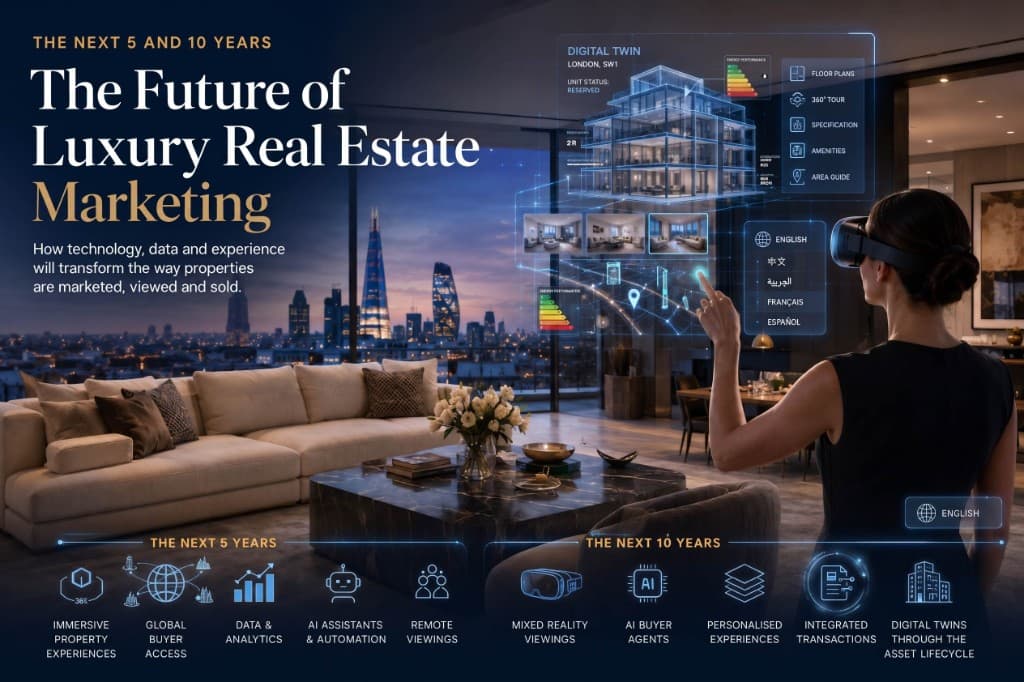
The Next Five Years: The Rise of the Digital Buying Experience
By 2031, premium residential buyers will increasingly expect to experience a property before they ever step through the front door.
Digital Twins Become Standard
The traditional property listing evolves into an interactive digital twin.
Instead of viewing photographs, buyers will explore:
- Fully immersive 360° environments
- Interactive floor plans
- Area guides
- Local amenities
- Development information
- Specification sheets
- CGI options
- Future furniture layouts
- Outdoor spaces
The distinction between marketing materials and the property itself will begin to disappear.
International Buyers Become First-Class Citizens
Prime and super-prime property markets are increasingly global.
A buyer in:
- Dubai
- Singapore
- Hong Kong
- New York
- Riyadh
expects the same level of access as a buyer sitting in Mayfair.
The future buyer journey includes:
- Multi-language property tours
- AI translated narration
- Localised content
- Live remote accompanied viewings
- Interactive question and answer systems
The concept of a "foreign buyer" becomes largely irrelevant.
Every buyer becomes a local buyer.
Buyer Behaviour Becomes Data
Most agencies currently measure:
- Listing views
- Enquiries
- Viewings
The next generation of property analytics will measure:
- Which rooms buyers spend time viewing
- Which countries engage most frequently
- Which features drive interaction
- Where interest is lost
- Which plots attract repeat visits
- Which media assets convert enquiries
Property marketing becomes measurable rather than speculative.
Artificial Intelligence Enters the Buying Journey
AI will not replace agents.
It will amplify them.
Buyers will increasingly interact with:
- AI property assistants
- Instant multilingual support
- AI generated summaries
- Personalised recommendations
- Automated follow-up information
- Guided property explanations
The best agents will become more productive rather than less relevant.
Relationships remain human.
Information becomes instant.
Remote Viewings Become Normal
The premium automotive sector already sells vehicles remotely.
Luxury retail already sells internationally.
Hospitality already markets experiences globally.
Residential property is simply catching up.
The first physical viewing increasingly becomes:
Confirmation rather than discovery.
Looking Further Ahead: The Next Ten Years
If the next five years are evolutionary, the following five may prove revolutionary.
The Digital Twin Becomes Permanent
The property's digital presence will not disappear once the sale completes.
Instead, the digital twin evolves throughout the asset lifecycle:
Planning → Construction → Marketing → Sales → Occupation → Asset Management
The same model may power:
- Sales
- Leasing
- Facilities management
- Refurbishment planning
- Insurance
- Valuations
- Future resale
The property becomes a living digital asset.
AI Buyers Meet AI Agents
Today buyers search manually.
Tomorrow their AI assistant may search for them.
Future buyer agents may:
- Analyse floor plans
- Compare specifications
- Shortlist suitable properties
- Schedule viewings
- Assess value
- Recommend offers
The human buyer remains central to the decision.
The research becomes automated.
Personalised Property Experiences
Every buyer sees a different property presentation.
Families see schools and parks.
Investors see rental yields and operating costs.
International buyers see visa and relocation information.
Developers showcase upgrade options and customisation packages.
One property.
Thousands of personalised journeys.
Mixed Reality Viewing Experiences
As wearable technology improves, buyers may experience properties through lightweight mixed reality devices.
Potential buyers may:
- Walk through unbuilt developments.
- Compare finish options instantly.
- Remove walls digitally.
- Test furniture layouts.
- Experience future renovations.
The distinction between physical and digital property experiences becomes increasingly blurred.
Transactions Become Integrated
Today's process involves:
- Agents
- Solicitors
- Mortgage brokers
- Surveyors
- Developers
Often operating independently.
The future experience may become a connected journey where:
- Documentation
- Compliance
- Finance
- Reservations
- Legal progress
are integrated into a single digital ecosystem.
What Does This Mean For Estate Agencies?
The agencies that succeed over the next decade may not simply be the ones with the largest branch networks.
They may be the businesses that create the best customer experience.
The competitive advantage shifts from:
Access to stock
towards:
Access to attention.
And attention increasingly lives online.
What Does This Mean For Developers?
Developers have an opportunity to move beyond brochures and CGI suites.
The future sales experience may include:
- Interactive developments
- Plot comparison tools
- Digital show homes
- International launch events
- AI sales assistants
- Live availability systems
The sales suite itself may become digital.
The Opportunity for the Industry
The real estate industry has traditionally adopted technology more slowly than sectors such as automotive, travel and retail.
That creates an extraordinary opportunity.
The businesses that invest early in digital infrastructure will likely enjoy advantages in:
- Customer experience
- International reach
- Operational efficiency
- Data intelligence
- Brand differentiation
Our View
At Photoplan and ReHub Studio, we believe the next decade of real estate marketing will be defined by three things:
Experience
Moving beyond static listings towards immersive digital journeys.
Intelligence
Using analytics and AI to understand buyer behaviour and improve outcomes.
Accessibility
Making every property accessible to every buyer, anywhere in the world.
The Future Isn't About Replacing The Human Element
Property transactions are ultimately emotional and personal decisions.
Technology does not replace relationships.
It strengthens them.
The best estate agents in 2036 will still be trusted advisers.
They will simply be equipped with tools that today's industry can barely imagine.
The Question Isn't Whether This Change Happens
The only question is:
Will your business help shape the future of property marketing, or adapt to it later?
Photoplan and ReHub Studio are building the tools and experiences that will define the next generation of property marketing.
The future of real estate isn't coming.
It's already being built.
- #property marketing
- #luxury real estate
- #digital twins
- #proptech
- #virtual tours
- #artificial intelligence
Frequently Asked Questions

The Photoplan Team
Property Media Specialists
The Photoplan team produces property photography, floor plans, tours, video and CGI that help estate agents, developers and commercial clients market property beautifully.
Ready to market your next property?
Book a Photoplan specialist online in minutes, or get in touch to discuss account pricing for your agency.
Estate agents book through the app · One-off customers order in the shop · or contact us
Related Articles
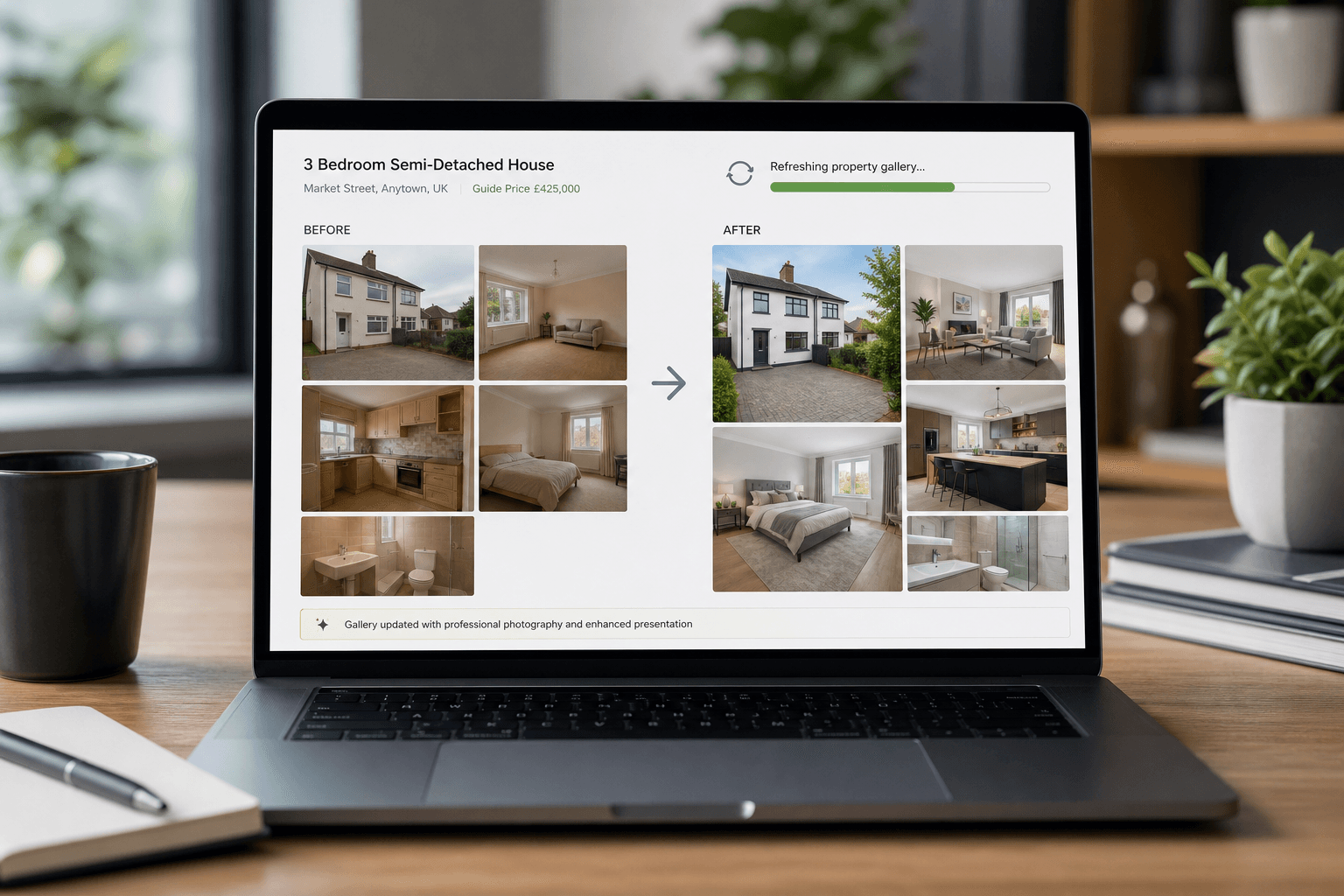
How to Relaunch a Stale Listing with Fresh Property Media
When a home has sat on the portal for weeks, another price cut is not the only lever. Here is when new photography, plans and tours are worth doing — and when they will not help.
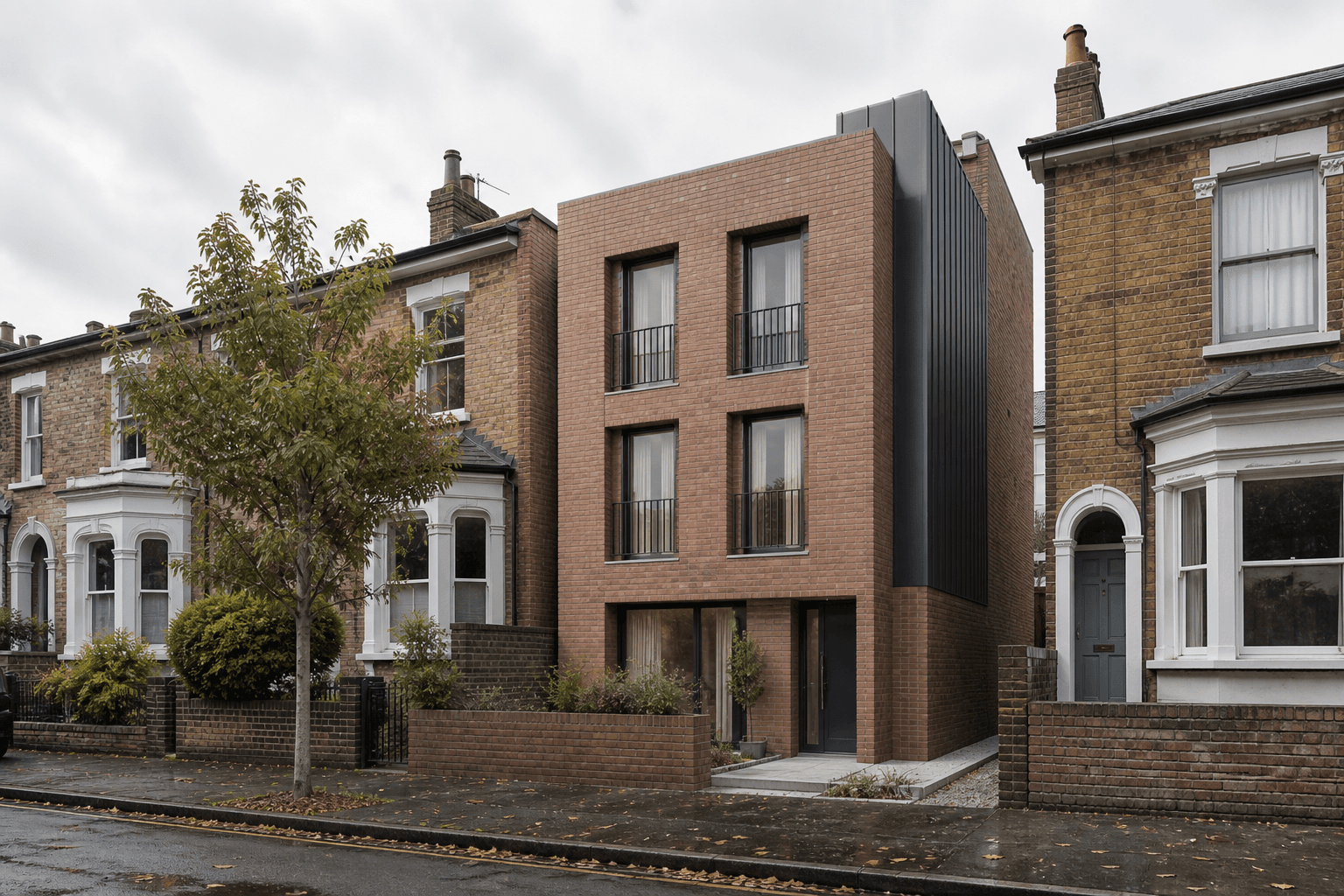
Architectural Visualisation for Planning Applications: What Actually Helps
Planning committees and neighbours respond to clarity, not fantasy. Here is how developers and architects should use CGI and visualisation in planning applications without overselling the scheme.

The Full Property Media Package: Photos, Floor Plans, Tours and Video
What should a modern listing media package include — and what is optional? A practical bundling guide for estate agents who want fewer supplier calls and stronger portal performance.